Unirac

What Are the Top Home Solar Solutions for Global Buyers?

Choosing the right home solar solution now requires more than comparing panel prices. Buyers must examine sunlight, roof direction, electricity tariffs, storage needs, and local installer quality. A shaded roof may need power optimizers or microinverters. A household facing evening outages may need a hybrid inverter and battery. Remote properties may require modular systems with backup controls.

The market is expanding quickly. IRENA’s Renewable Capacity Statistics 2025 reported 585 gigawatts of new renewable capacity worldwide in 2024. Solar contributed about 452 gigawatts, representing nearly 77% of that growth. The IEA’s Renewables 2024 report expects global renewable capacity to increase by almost 5,500 gigawatts between 2024 and 2030. Solar PV is expected to provide most of that expansion. Fatih Birol, Executive Director of the IEA, called solar “the new king of electricity.” His statement captures the trend, but not every household reality.

No single package wins everywhere. A grid-connected system may deliver the best value where electricity is reliable. Batteries can improve resilience, but they increase upfront costs and require careful sizing. Buyers should request production estimates, equipment warranties, degradation assumptions, and installer credentials. They should also confirm whether the proposed home solar system can be serviced locally.

These choices are not always simple. Even reputable models can miss future tariff changes or unusual weather. That deserves scrutiny. The strongest solution balances measurable performance, transparent pricing, safe installation, and realistic household behavior. A smaller system, installed well, may outperform a larger system chosen only for its headline capacity.

What Are the Top Home Solar Solutions for Global Buyers?

Global Solar Market Scope: IRENA Reported 1,419 GW Installed by 2023

What Are the Top Home Solar Solutions for Global Buyers?

IRENA reported 1,419 GW of solar capacity installed worldwide by the end of 2023. This figure shows how quickly solar power has moved from a niche option into everyday energy planning. For homeowners, the strongest solution is usually a rooftop photovoltaic system sized around actual household consumption. A family with daytime usage may need fewer batteries. An evening-heavy household may need more storage.

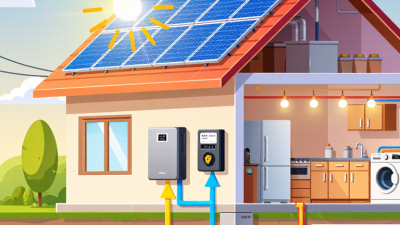
Hybrid systems combine solar panels, batteries, and grid power. They can reduce electricity purchases and provide limited backup during outages. However, battery performance depends on temperature, installation quality, and daily cycling. In hot regions, shaded equipment and suitable ventilation matter. In colder climates, installers should check battery operating limits carefully. Small homes may benefit from compact systems, while larger properties could require several roof sections and separate power controls.

Global buyers should compare energy yield, warranty terms, safety certification, and local service support. Grid rules differ widely, so a qualified installer must confirm voltage, connection procedures, and export limits before purchase. I have found that the cheapest quotation is rarely the clearest choice. A detailed site survey can reveal roof damage, seasonal shading, or weak wiring that online calculators miss. Solar is not maintenance-free. Panels collect dust, batteries age, and household demand changes. That reality deserves more attention.

Home Solar Types: Rooftop PV, Batteries, Hybrid Systems, and Solar Thermal

What Are the Top Home Solar Solutions for Global Buyers?

Home Solar Types: Rooftop PV, Batteries, Hybrid Systems, and Solar Thermal

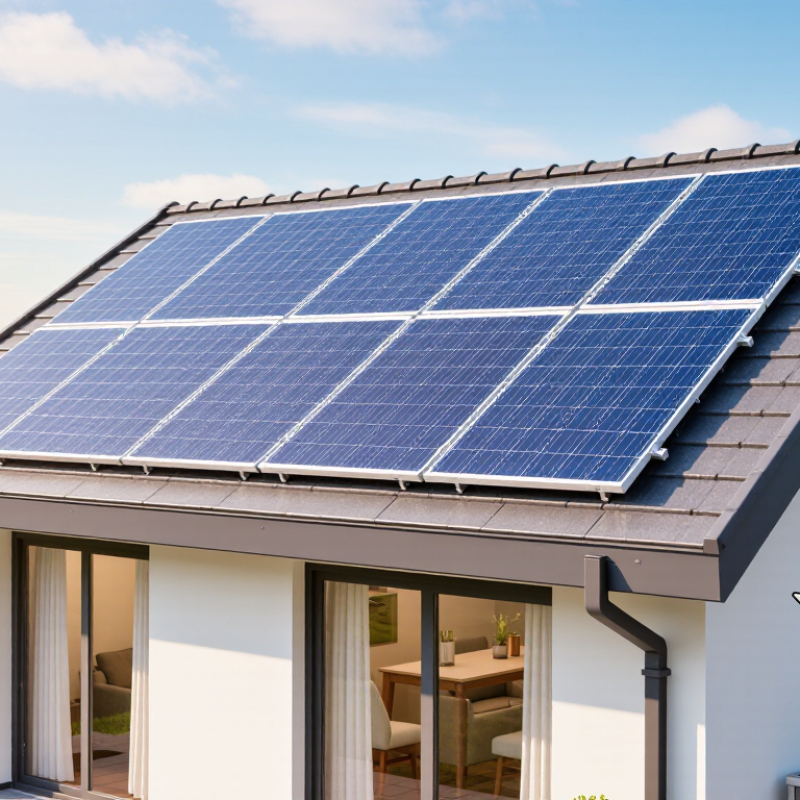
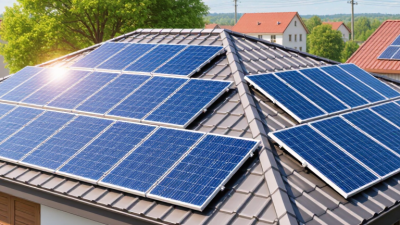
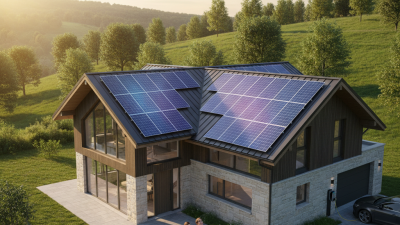
Rooftop photovoltaic panels convert sunlight into household electricity. A careful site survey should check roof direction, shading, structure, and local weather. Shade changes everything. Even a small chimney shadow can reduce output during important hours. Buyers should request production estimates based on local sunlight data, not ideal laboratory conditions. Roof age also matters, because removing panels later can increase costs.

Batteries store daytime electricity for evening cooking, cooling, or backup use. Their value depends on energy prices, outage frequency, and daily consumption patterns. A battery that is too large may sit underused. Hybrid systems combine rooftop PV, battery storage, and grid power through coordinated controls. They can improve resilience, but installation requires compatible equipment, clear wiring plans, and qualified professionals. Local electrical rules, permits, fire clearances, and warranty terms deserve careful review.

Solar thermal systems use sunlight to heat water rather than produce electricity. They can work well in homes with steady hot-water demand, especially in sunny climates. However, freezing conditions may require protected plumbing or indirect circulation. Hot water matters. Buyers should compare seasonal performance, maintenance access, replacement parts, and household habits. I have seen attractive proposals fail because installers overlooked roof access or changing family consumption. A slightly smaller system, designed from measured needs, may perform more reliably over time.

This chart shows typical service-life ranges for major residential solar solutions. Rooftop photovoltaic panels and solar thermal collectors generally provide the longest operating life, while batteries and hybrid-system components usually require earlier replacement. Actual performance depends on climate, installation quality, system design, maintenance, and usage patterns.

System Sizing: Match PV Output to Household Demand and Peak-Load Data

Global home solar sizing starts with demand, not panel count. The IEA PVPS Trends 2024 report recorded more than 1.6 terawatts of installed solar capacity worldwide by the end of 2023. Yet household needs vary sharply by climate, occupancy, tariffs, and appliance use. A home using 600 kWh monthly may need a very different system from one consuming the same amount during evening hours.

Use twelve months of electricity bills, then inspect hourly or 15-minute interval data when available. Annual consumption estimates energy volume, but peak-load data reveals whether cooking, cooling, pumps, and electric vehicles overlap. A practical design should compare the load profile with local solar irradiance, roof orientation, shading, and seasonal temperature changes. NREL’s PVWatts documentation uses a default 14% system-loss assumption, covering factors such as wiring, inverter conversion, and module mismatch. Real projects can perform better or worse.

Battery sizing requires separate judgment. A battery designed only around daily energy may fail during a short evening peak. Conversely, oversizing storage can increase cost and leave capacity unused. The IEA’s Renewables 2024 analysis shows solar deployment accelerating, but more solar does not automatically mean better household resilience. Critical loads should be listed separately, with starting currents from motors considered. A neat annual match can still be wrong. Recheck the design after lifestyle changes, because one new heat pump may reshape the entire demand curve.

Battery Selection: Compare Lithium-Ion Storage, Efficiency, and Cycle Life

What Are the Top Home Solar Solutions for Global Buyers?

Battery selection often determines how useful a home solar system feels after sunset. Lithium-ion batteries offer high energy density, fast response, and relatively strong round-trip efficiency. In practical terms, a 10 kWh battery may deliver about 8.5 to 9.5 kWh after normal conversion losses. Actual results depend on the inverter, wiring, temperature, and charging habits.

Cycle life deserves careful attention. A battery rated for 6,000 cycles may last many years under moderate daily use. However, frequent deep discharges, high heat, and poor ventilation can shorten that figure. Lithium iron phosphate chemistry generally provides strong thermal stability and a long service life. Other lithium-ion chemistries can offer excellent compact performance, but they may require stricter temperature control. Read the full test conditions, not only the advertised cycle number.

I recommend matching storage capacity to evening consumption rather than buying the largest unit. A household using 7 kWh overnight may not need a 20 kWh battery. Oversizing can increase cost and leave capacity unused. Check the usable capacity, depth-of-discharge limit, charging power, and replacement terms. Regional temperatures matter too. A battery in a hot outdoor cabinet may perform differently from one installed in a shaded utility room. I have seen well-designed systems underperform because installers ignored heat and partial shading. No comparison is perfect. Local certification, qualified installation, and realistic load measurements still matter.

Global Buying Criteria: Costs, Incentives, Standards, Warranty, and Payback

For global buyers, solar decisions begin with the full delivered cost, not the advertised panel price. Include shipping, import duties, installation, wiring, permits, monitoring, and possible battery replacement. Currency changes can quietly damage a carefully planned budget. A practical spreadsheet should test high and low electricity prices. My own first estimates often look too optimistic.

Incentives vary by country, region, and property type. Verify eligibility through official government or utility sources before signing a contract. Some programs reduce taxes, while others offer rebates or export credits. Check payment dates and application deadlines. Do not treat an incentive as guaranteed income. It may change after an election or annual budget review.

Standards protect buyers when documents are specific. Ask for test evidence linked to recognized requirements, such as IEC 61215 and IEC 61730, plus local grid compliance. Certification alone does not prove good installation. Warranty terms deserve equal attention. Read product, performance, labor, shipping, and battery coverage separately. Confirm who handles claims and whether the warranty transfers after a home sale. Payback should include panel degradation, financing interest, maintenance, tariff changes, and battery cycling losses. A ten-year estimate can become fourteen years in a cloudy region with modest electricity prices. Get an independent technical review. Mistakes are expensive.

What Are the Top Home Solar Solutions for Global Buyers?

Global buying criteria: indicative costs, incentives, standards, warranty expectations, and payback periods
Solar Solution Best-Fit Buyer and Market Typical System Size Indicative Installed Cost Common Incentives or Market Support Key Standards and Compliance Typical Warranty Expectations Indicative Annual Benefit Estimated Payback Main Buying Considerations
Grid-Tied Rooftop Solar Homeowners with reliable utility service and suitable roof space. Particularly suitable for Australia, Europe, North America, and urban markets in Asia. 3–10 kW
Approximately 7–25 solar modules, depending on module power and roof layout.
US$1,000–US$3,000 per kW
Typical residential project range: US$5,000–US$25,000 before local incentives.
Net-billing or net-metering programs may apply. Examples include tax credits in some jurisdictions, zero-rate VAT for qualifying systems in some European markets, and renewable-energy certificates or tradable credits in Australia. IEC 61215 for module design qualification;
IEC 61730 for module safety;
IEC 62109 for power-converter safety;
local electrical, structural, fire, and grid-connection rules.
Modules commonly offer 10–15 years for product defects and 25–30 years for power performance. Inverters commonly carry 5–12 years, depending on configuration and market. A 5 kW system can commonly generate about 5,500–8,500 kWh per year, depending on solar irradiation, orientation, shading, and system losses. Usually 4–10 years. The result depends mainly on electricity prices, self-consumption, export compensation, financing, and installation cost. Check roof condition, local permitting, export limits, shading, monitoring capability, inverter replacement cost, and whether the installer provides an itemized quotation.
Hybrid Solar with Battery Storage Buyers seeking higher self-consumption, backup power, or protection from time-of-use electricity prices. Suitable for regions with frequent outages or expensive evening electricity. 5–15 kW solar PV with 5–30 kWh battery storage. Solar portion: approximately US$1,000–US$3,000 per kW.
Battery portion: approximately US$300–US$900 per usable kWh, including balance-of-system costs in many residential installations.
Battery rebates, demand-response payments, low-interest green loans, and time-of-use tariffs are available in selected markets. Incentive eligibility often depends on battery capacity, installation date, and grid-service participation. IEC 62619 for industrial lithium secondary-cell safety;
IEC 62477-1 for power-electronic safety;
IEC 62109 for converter safety;
UL 9540 and UL 9540A or equivalent local requirements where applicable;
local fire and grid-interconnection codes.
Batteries commonly offer 10 years or a specified energy-throughput limit. Hybrid inverters commonly offer 5–12 years. Capacity-retention guarantees frequently specify about 60–80% at the end of the stated term. Compared with solar-only systems, self-consumed solar energy may increase by approximately 20–50 percentage points, depending on household load timing and battery dispatch settings. Approximately 7–15 years for bill savings alone. Payback can be shorter where outage protection, demand charges, or high evening tariffs have substantial value. Confirm usable rather than nominal capacity, round-trip efficiency, backup-load limits, operating temperature range, fire-clearance requirements, replacement terms, and battery recycling arrangements.
Off-Grid Solar Home System Remote homes, islands, agricultural properties, and areas without dependable utility access. Often suitable for rural markets in Africa, South Asia, Latin America, and remote regions worldwide. 1–10 kW solar PV with 2–40 kWh battery storage, often supported by a generator for extended cloudy periods. Approximately US$3,000–US$8,000 per kW for a complete small residential system, including batteries, controls, mounting, and installation. Larger systems may achieve lower unit costs. Rural electrification grants, concessional finance, pay-as-you-go programs, import-duty exemptions, and development-funded energy-access programs may reduce initial cost. Availability varies significantly by country and project type. IEC 62509 for battery charge-controller performance;
IEC 62109 for power-converter safety;
IEC 60364-7-712 for photovoltaic electrical installations;
local wiring, grounding, battery-room, and fire-safety regulations.
Modules commonly offer 10–15 years product coverage and 25–30 years performance coverage. Lithium batteries commonly offer about 5–10 years; lead-acid batteries may require earlier replacement. The primary benefit is replacement of kerosene, diesel generation, or costly battery charging. A well-designed system can provide essential lighting, communications, refrigeration, and water-pumping loads. Approximately 3–10 years when replacing diesel or kerosene costs. Payback is generally longer when the alternative is a low-cost, reliable grid connection. Size the system for several consecutive cloudy days, verify local service capability, protect batteries from heat and moisture, and include surge protection and spare-parts planning.
Solar Water Heating Homes with high hot-water demand and adequate roof or ground space. Particularly effective in sunny climates and properties using electric, LPG, or oil water heaters. Usually 2–6 m² of collector area with 150–400 litres of hot-water storage for a typical household. Approximately US$1,500–US$6,000 installed, depending on collector type, tank size, plumbing complexity, and local labor costs. Some jurisdictions provide solar-thermal rebates, renewable-heat grants, low-interest loans, or building-code incentives for replacing fossil-fuel water heating. ISO 9806 for solar-thermal collector testing;
EN 12976 or equivalent system requirements where applicable;
local plumbing, pressure-vessel, anti-scald, and building regulations.
Collectors commonly offer 5–10 years of product coverage. Storage tanks, pumps, valves, and controllers have separate warranty periods, often between 2 and 10 years. Solar thermal can commonly supply approximately 50–80% of annual domestic hot-water energy, depending on climate, collector area, household demand, and backup-heater settings. Approximately 3–8 years where water-heating energy is expensive. Payback may be longer in mild climates or homes with low hot-water consumption. Compare freeze protection, overheating protection, water quality, maintenance access, roof loading, replacement-anode cost, and compatibility with the existing hot-water system.
Community Solar Subscription Renters, apartment residents, shaded-home owners, and buyers without suitable private roofs. Common in markets with shared renewable-energy projects and virtual bill-credit systems. No private system size is required. The subscription may represent a fractional allocation of a shared solar project. Usually US$0–US$200 in enrollment or transfer costs. Many programs use a monthly payment or a discounted bill-credit model rather than an equipment purchase. Renewable-energy certificates, public grants, low-income solar programs, and utility bill-credit arrangements may support the project. Contract terms and savings formulas differ by jurisdiction. Shared projects generally follow IEC 61215, IEC 61730, grid-interconnection standards, land-use rules, and local utility requirements. Subscriber protections are governed by the contract and consumer-protection law. The subscriber normally receives a service or production guarantee rather than a personal equipment warranty. Contract terms commonly range from 1–25 years. Typical advertised household savings may range from 5–20% of eligible electricity charges, but savings depend on bill-credit rules, subscription fees, and project production. Economic benefit may begin immediately, with a typical contract break-even period of 0–3 years if there is no substantial upfront payment. Review cancellation rights, transferability when moving, credit calculation, escalator clauses, minimum contract term, low-income eligibility, and project-performance reporting.
Solar PV with Heat Pump Integration Electrically heated homes, energy-efficient new buildings, and buyers replacing oil, LPG, or direct electric resistance heating with a heat pump. Typically 4–12 kW solar PV paired with a 5–16 kW heat pump, subject to building heat-load calculations. PV: approximately US$1,000–US$3,000 per kW.
Air-source heat pump: approximately US$4,000–US$15,000 installed. Ground-source systems generally cost more because of drilling or ground-loop work.
Heat-pump rebates, building-efficiency grants, preferential electricity tariffs, and low-carbon heating incentives may apply separately from solar incentives. Eligibility often requires certified installation and minimum efficiency ratings. IEC 61215 and IEC 61730 for PV modules;
IEC 60335-2-40 for heat-pump safety;
ISO 13256 for heat-pump performance testing;
local refrigerant, electrical, acoustic, and building-energy rules.
PV modules commonly offer 10–15 years product coverage. Heat pumps commonly offer about 5–10 years of equipment coverage, subject to registration, maintenance, and installer requirements. A correctly sized heat pump may deliver approximately 2.5–5 units of heat per unit of electricity, measured as a seasonal coefficient of performance under suitable operating conditions. Approximately 5–12 years for the combined investment, depending on the displaced heating fuel, climate, insulation, and electricity tariff. Complete a heat-loss assessment, verify low-temperature performance, check refrigerant regulations, assess noise and outdoor-unit placement, and avoid oversizing the PV system without sufficient daytime electrical loads.

Data basis: Cost, production, warranty, and payback figures are indicative international ranges for residential projects and are not quotations. Actual results vary by country, labor rates, financing, roof conditions, system design, climate, electricity tariffs, and permitting requirements.

Payback method: Simple payback is estimated as total net investment divided by annual bill savings, export income, avoided fuel cost, or subscription savings. Financing costs, maintenance, inverter replacement, battery degradation, and taxes may change the result.

Standards note: Buyers should confirm the current edition of each standard and any mandatory national or utility requirements before purchase. Incentives and grid-export rules should be verified with the relevant government agency, utility, or licensed installer.