Top Solar Panels for Home Which Are Best?
Choosing the best solar panels for home is not a simple matter of picking the highest efficiency number. Your roof angle, shade, climate, electricity use, warranty, and installer quality all shape the final result. A panel producing well in a laboratory may perform differently beside a chimney, under winter snow, or during a hot afternoon.
The market is expanding quickly. The International Energy Agency Photovoltaic Power Systems Programme reported that global photovoltaic capacity exceeded 1.4 terawatts in 2023. The IEA also identifies solar PV as a major driver of new renewable capacity. In the United States, the Solar Energy Industries Association and Wood Mackenzie continue to track strong residential adoption, although interest rates and local incentives can change buying decisions. These reports show momentum, not a universal winner.
Fatih Birol, Executive Director of the IEA, said, “Solar PV is now the cheapest source of electricity in history.” That statement is important, but it needs context. Homeowners still compare installation labor, battery compatibility, degradation rates, fire certifications, and long-term service. A lower-priced quote can become expensive when monitoring fails or replacement parts are difficult to obtain.
This guide examines which models deserve attention when you get solar panels for home. It compares efficiency, temperature performance, warranties, durability, and real-world value. No ranking is perfect. I may favor dependable performance over impressive specifications, because a quiet, shaded roof can expose weaknesses that a showroom brochure hides. Expect practical trade-offs, not miracle claims.
What Makes a Solar Panel Suitable for Home Use?
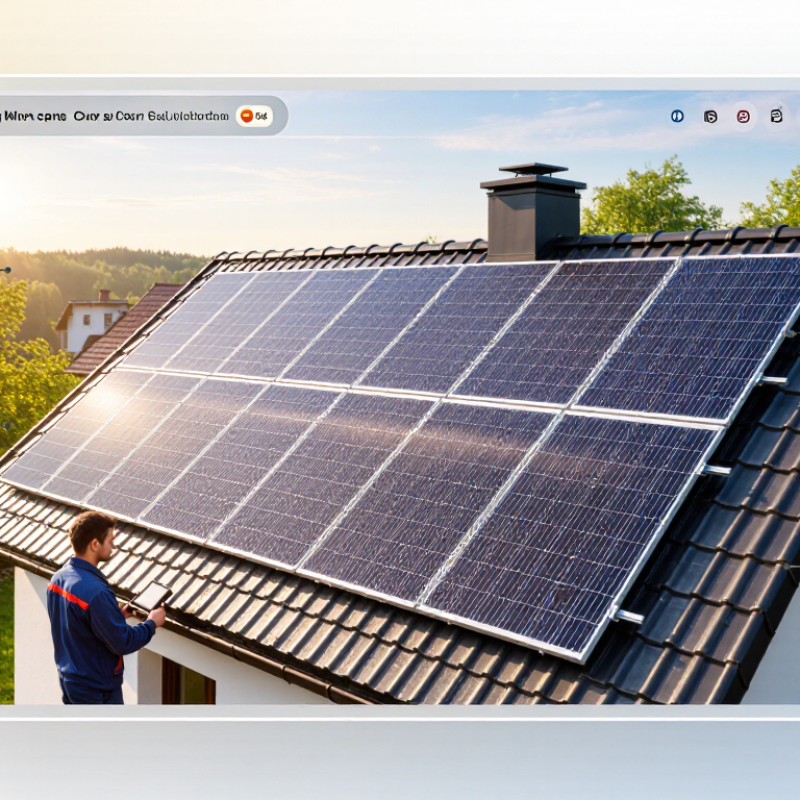
A suitable home solar panel must fit your roof, electricity use, and local weather. Efficiency matters, but it is not the only measure. A panel with better shade tolerance may outperform a higher-rated panel under a nearby tree. Before choosing, inspect roof direction, seasonal shadows, and available mounting space. Small details matter. A south-facing roof often receives strong sunlight, while east-west layouts can spread production across the day. Actual results depend on installation quality, not laboratory ratings alone.
Durability is equally important for a system expected to work for decades. Look for clear performance warranties, tested materials, and resistance to heat, wind, humidity, and hail. Independent safety certification can provide useful reassurance. Ask who will install the system and how they check wiring, roof penetrations, and shutdown equipment. A qualified installer should explain permits, maintenance, expected output, and safety procedures clearly. That explanation builds trust. Published figures remain estimates, not promises.
Match panel size with battery plans, daily loads, and future changes such as an electric vehicle. A compact roof may need higher-efficiency panels, while a large roof may favor lower-cost capacity. Check inverter compatibility and monitoring options before signing a contract. Monthly production data can reveal shading or equipment problems early. It is easy to overvalue efficiency numbers. The most powerful panel is not automatically the best home panel. A slightly less powerful option may suit the roof better and deliver steadier household value.
Main Types of Residential Solar Panels
Choosing home solar panels starts with panel type, not a glossy efficiency claim. Monocrystalline panels use high-purity silicon and usually deliver strong output in limited roof space. Fraunhofer ISE’s Photovoltaics Report 2024 places many commercial crystalline-silicon modules around 20% to 23% efficiency. Their dark, uniform surfaces also suit modern roofs. However, higher efficiency can raise the purchase price.
Polycrystalline panels use multiple silicon crystals and traditionally cost less. Their blue appearance and slightly lower efficiency may require more roof area. That trade-off matters on narrow terraces or shaded roofs. The IEA PVPS Trends 2024 report states that crystalline-silicon technology represented more than 98% of global photovoltaic module production in 2023. Thin-film panels use very little semiconductor material and can perform steadily in high heat or weak light. Yet many homes need extra surface area. Roof shape often decides the answer.
Emerging tandem panels combine different light-absorbing layers and may achieve higher laboratory efficiencies than conventional silicon. Commercial availability, warranties, recycling pathways, and installer experience still need careful checking. Laboratory records are not rooftop results. They can mislead. A sensible assessment measures usable roof area, afternoon shade, local weather, and annual electricity demand. On a roof with vents and dormers, a smaller number of efficient panels may outperform a cheaper, larger array. But my view needs revision when prices, regulations, or storage costs change. Ask for measured assumptions, not promises.
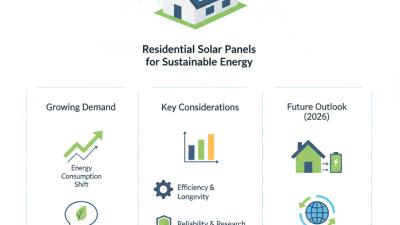
Residential solar panels are commonly grouped into monocrystalline, polycrystalline, and thin-film technologies. The chart shows representative typical efficiency ranges converted to midpoint values; actual performance varies by manufacturer, model, temperature, roof orientation, and installation conditions.
How to Compare Solar Panel Efficiency and Performance
Top Solar Panels for Home: Which Are Best?
Comparing home solar panels starts with efficiency, but efficiency is not the whole story. The Fraunhofer Institute’s Photovoltaics Report (2024) places leading crystalline-silicon modules near 20% to 24% efficiency. A higher percentage means more electricity from limited roof space. It does not guarantee better annual output. Shade, roof direction, dust, and summer heat can reduce production sharply.
Check each datasheet under the same testing conditions. Standard Test Conditions use 1,000 watts per square metre and a cell temperature of 25°C. Real roofs are rarely so polite. Review the temperature coefficient, which shows how output changes during hot weather. A less negative figure usually indicates stronger heat performance. Also examine low-light behavior and the panel’s bifacial rating, if reflected light is available.
Look beyond the headline wattage. NREL’s review of field studies reported median photovoltaic degradation of about 0.5% per year. That makes long-term degradation data more useful than a glossy peak-efficiency claim. IEA PVPS reports also emphasize system-level performance, including inverters, wiring, and operating conditions. A careful roof assessment should estimate annual kilowatt-hours, not just panel capacity.
Efficiency is easy to compare. Reliability is harder.
My own judgment would remain cautious when independent test evidence is missing, even if the specifications look excellent.
Key Factors for Choosing the Best Home Solar Panels
Top Solar Panels for Home Which Are Best?
Key Factors for Choosing the Best Home Solar Panels
Choosing home solar panels starts with your roof, not a popularity list. Measure usable roof space, roof age, shading, and daily electricity use. A south-facing roof often receives strong sunlight, but other orientations can still perform well. Nearby trees may reduce output during morning or afternoon hours.
Compare efficiency, temperature performance, and expected degradation. Higher efficiency helps when roof space is limited. A strong temperature coefficient matters in hot climates. Check independent test results and the manufacturer’s performance warranty. The warranty should explain expected output after 25 years. Read the small print carefully. It can reveal exclusions.
Installation quality is equally important. Ask for an itemized quote covering panels, inverters, mounting equipment, permits, labor, and monitoring. Confirm that the installer holds suitable licenses and uses certified electrical practices. Request recent project references, preferably on similar roofs. Real production estimates should include local weather and shading data, not just ideal sunlight. Estimates can be wrong. I would compare at least three proposals and question unusually high savings claims. A slightly cheaper system may cost more if repairs, roof work, or replacement equipment were ignored. Consider battery compatibility if evening electricity use is high, but do not pay for storage without checking its cycle life and actual household demand.