Top 5 Solar Energy Panel Tips for Global Buyers?
As the global push for sustainable energy intensifies, solar energy panels have emerged as a cornerstone of this movement. According to a report by the International Energy Agency (IEA), solar power capacity could reach 10,000 gigawatts by 2030. This monumental shift highlights the increasing reliance on solar energy in various regions. Buyers now face a myriad of options when selecting solar panels, making informed decisions crucial for maximizing investments.
In a rapidly evolving market, understanding the nuances of solar energy panels becomes essential. Factors like efficiency, durability, and pricing can differ widely among manufacturers. The U.S. Department of Energy indicates that high-quality panels can lead to substantial energy savings over time. However, not all buyers are equipped with the information necessary to distinguish between different products. Consumer choices may lack thorough evaluation, potentially resulting in suboptimal performance and increased costs.
Moreover, the environmental impact of solar panels carries both benefits and challenges. While they significantly reduce carbon footprints, the production process can generate waste. Transparency in sourcing materials and lifecycle management should not be overlooked. Hence, potential buyers are encouraged to seek robust guidelines when navigating their solar energy panel investments.
Understanding Solar Panel Types: Monocrystalline vs. Polycrystalline
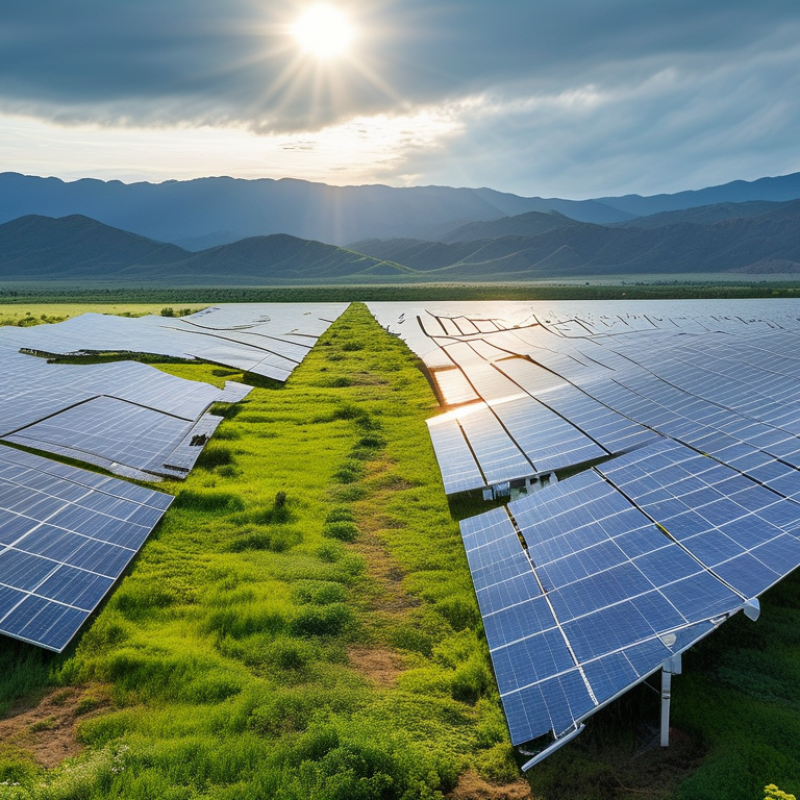
When considering solar panels, understanding the differences between monocrystalline and polycrystalline types is crucial. Monocrystalline panels are known for their high efficiency. They can convert around 20% of sunlight into energy. In contrast, polycrystalline panels typically have an efficiency range of 15% to 17%. This can significantly affect energy output, especially in limited space scenarios.
Monocrystalline panels are made from a single crystal structure. Their uniform appearance is not just aesthetic; it often translates to better performance in low-light conditions. However, they are generally more expensive due to manufacturing processes. Polycrystalline panels, made from multiple silicon crystals, offer a cost-effective solution. Still, they tend to be less efficient and may require more installation area to produce the same energy.
Potential buyers should reflect on their energy needs and budget. Monocrystalline panels may deliver better performance but at a higher cost. On the other hand, polycrystalline options may save money upfront. However, buyers must consider the long-term efficiency and space requirements. A deeper understanding of these specifications can guide buyers toward informed decisions.
Evaluating Solar Panel Efficiency Ratings: What Buyers Should Know
When evaluating solar panel efficiency ratings, understanding key metrics is crucial. Look closely at conversion efficiency, which indicates how effectively a panel converts sunlight into electricity. Typically, this rating falls between 15% and 22%. Higher percentages mean better performance. This can significantly impact your long-term savings.
Another important factor is temperature coefficient. This metric shows how a solar panel's efficiency drops as temperatures rise. Lower values indicate better performance in high heat. Consider the climate in your area. Panels that perform well in cooler conditions may underperform in hotter environments.
Don’t overlook warranty details and manufacturer reputation. These indicate the reliability and longevity of a solar panel. A standard warranty spans 25 years. However, if a brand lacks a strong track record, it raises concerns. Always feel free to ask questions. Your needs as a buyer should dictate your choices.
Analyzing Cost vs. Savings: Financial Implications of Solar Energy Adoption
Adopting solar energy can significantly impact your finances. While the initial costs may seem high, financial savings often outweigh them over time. Most solar panel systems pay for themselves within several years, depending on your local energy rates and sunlight exposure. As energy prices rise, solar becomes even more valuable. Additionally, many regions offer tax incentives and rebates for solar installations, enhancing initial cost recovery.
Considering the varying costs is crucial. When purchasing solar panels, look at their efficiency levels and potential long-term savings. High-efficiency panels may have higher upfront costs but could save more on energy bills in the long run. Take into account maintenance costs, which can affect overall savings. Solar panels generally require minimal upkeep, but it's wise to budget for periodic inspections.
When evaluating options, comparing multiple quotes can reveal significant price differences. Engage with knowledgeable professionals to understand the local market better. Keep an eye on emerging technology trends. Innovations in solar technology can provide more cost-effective solutions. Ultimately, making informed choices can lead to substantial financial and environmental benefits. Embracing solar energy involves evaluating the immediate costs against long-term savings, ensuring your investment pays off.
Top 5 Solar Energy Panel Tips for Global Buyers
| Tip |
Cost (USD) |
Estimated Savings (Yearly) |
Payback Period (Years) |
Environmental Benefits (CO2 Reduction) |
| Choose Quality Panels |
$3000 |
$600 |
5 |
1.5 tons/year |
| Evaluate Local Incentives |
$3500 |
$700 |
5 |
1.8 tons/year |
| Consider Long-Term Contracts |
$4000 |
$800 |
5 |
2.0 tons/year |
| Plan for Maintenance Costs |
$4500 |
$850 |
5.5 |
2.5 tons/year |
| Select the Right Installer |
$3800 |
$700 |
5.4 |
1.7 tons/year |
Exploring Government Incentives and Tax Credits for Solar Purchases
When considering solar energy panels, understanding government incentives can significantly influence your purchase decision. Many countries offer tax credits and rebates that can cover a substantial portion of the initial investment. For example, the average consumer can expect to save anywhere from 20% to 30% through these programs. The U.S. federal tax credit alone allows homeowners to deduct a percentage of their solar systems from their federal taxes. This incentive can make solar technology more accessible and financially viable.
Evaluate different incentive programs in your region. Some states offer additional rebates or grants for solar installations. According to a report by the Solar Energy Industries Association, state incentives can further boost savings, sometimes up to 50%. This information is crucial for buyers aiming for maximum cost efficiency.
Research local policies and keep an eye on timelines. Programs often have expiration dates or specific enrollment periods. It's easy to miss out if you aren't diligent. Remember, incentives can vary widely, which can complicate your decision-making process. Finding detailed, updated information on government websites can help clarify these options. Balancing potential savings with thorough research will enhance your purchasing experience.
Assessing the Importance of Warranty and Longevity in Solar Panels
When considering solar panels, warranty and longevity are critical factors for global buyers. A comprehensive study by the National Renewable Energy Laboratory (NREL) highlights that solar panels typically come with warranties ranging from 20 to 25 years. However, not all panels age the same way. Some may degrade faster, affecting energy output.
Longevity is influenced by multiple factors. Quality manufacturing and materials play a significant role. Reports from the International Energy Agency (IEA) indicate that high-quality panels can maintain more than 80% of their efficiency over 25 years. Conversely, lower-quality panels might degrade to only 60% within the same period.
Buyers should assess performance metrics closely. Understanding the degradation rate is vital. Often, panels degrade at an average of 0.5% to 1% yearly. Choosing panels with a reduced degradation rate is essential for long-term savings. While initial costs may seem higher, investing in durable panels could yield extensive returns. Consider long-term goals, installation conditions, and local climate when making choices.
Top 5 Solar Energy Panel Tips for Global Buyers
This chart illustrates the average warranty periods and expected longevity of solar panels from various energy sectors, highlighting their importance for global buyers looking to make informed decisions.