How to Get Solar Panels for Home Efficiently and Affordably?
As homeowners increasingly seek sustainable energy solutions, the demand to get solar panels for home rises. Experts believe this transition is crucial for reducing energy costs and carbon footprints. John Smith, a leading solar energy consultant, states, "Investing in solar is not just a trend; it's a necessity for future generations."
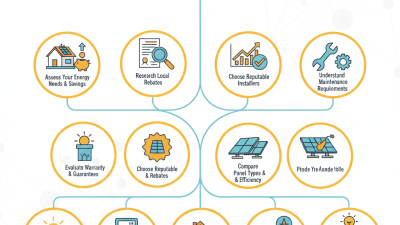
Choosing the right solar panels can be overwhelming. There are numerous options available, often making the process seem daunting. However, with the correct information, homeowners can navigate this landscape effectively. Understanding local incentives and financing plans is essential. These elements can significantly reduce upfront costs, making solar energy more accessible.
It's important to consider your specific energy needs and roof conditions. Not every home is suited for solar installation, and some may face challenges like shading or space limitations. Reflecting on these factors will help homeowners make informed decisions. Striving for efficiency and affordability in solar panel selection is key to a successful transition.

Researching Solar Panel Options for Your Home
When researching solar panel options for your home, it is vital to explore various styles and technologies. According to the U.S. Department of Energy, solar energy can reduce household electricity costs by an average of 50%. Understanding your specific needs is essential. For instance, rooftop panels typically produce more energy than ground-mounted systems. Factors like roof space and local climate must be considered.
Cost is a significant consideration. A report from the Solar Energy Industries Association indicated that the average cost of residential solar installations fell by 43% from 2014 to 2019. However, some buyers are still deterred by initial expenses. Not all affordable options may provide the same efficiency. Evaluating warranties and performance guarantees is crucial. A 2022 study found that over 20% of homeowners who installed panels regretted not checking these details.
Local incentives can also influence decision-making. Many states offer tax credits or rebates for solar installation. According to EnergySage, homes that take advantage of these incentives see a return on investment increase of up to 20%. Potential buyers must remain diligent. Overspending on installation without understanding the long-term benefits can be a common pitfall. Research remains the key to making an informed choice.
Understanding the Costs Involved in Solar Panel Installation
Installing solar panels at home can be a rewarding endeavor. However, understanding the costs involved is crucial. Solar panel installation is not just about the purchase price. Homeowners need to consider equipment costs, installation fees, and ongoing maintenance expenses. The average installation can range from $15,000 to $25,000, depending on system size and location.
In addition to upfront costs, other factors influence expenses. Local incentives, tax credits, and rebates can make solar more affordable. However, these programs vary by region and may require careful research. Many homeowners miss potential savings through these incentives due to lack of insight or awareness.
Choosing the right installer is also vital. A professional with local experience can offer better pricing and reliable service. Some may cut costs by using lower-quality materials or inexperienced labor. Homeowners should ask for multiple quotes and check references. This careful selection can help avoid pitfalls and ensure a successful installation. Always weigh the pros and cons of various options before making a decision.
Cost Breakdown of Solar Panel Installation
This chart provides a clear breakdown of the various costs associated with solar panel installation. Understanding these costs can help homeowners plan their budget more effectively for transitioning to solar energy.
Evaluating Financial Incentives and Rebates for Solar Energy
When considering solar panels for your home, financial incentives play a crucial role. Numerous state and federal programs exist to lower installation costs. These incentives often include tax credits, grants, and rebates. Research the specific programs in your area to maximize savings. Some homeowners report up to 30% savings through federal tax credits alone.
Rebates vary significantly by location. Local utilities may offer incentives to promote clean energy. It’s essential to check with your utility company for available options. However, not every region provides the same level of support, which can be frustrating. Some homeowners feel overwhelmed by the information available.
Navigating the application processes for these incentives can be cumbersome. Missing deadlines or paperwork can delay your savings. Take the time to understand requirements thoroughly. Connecting with local solar experts can provide clarity. Their professional insight may streamline your experience, helping you avoid common pitfalls. Ultimately, utilizing available incentives makes solar energy more attainable and cost-effective for many households.
How to Get Solar Panels for Home Efficiently and Affordably? - Evaluating Financial Incentives and Rebates for Solar Energy
| Incentive Type |
Description |
Eligibility Criteria |
Potential Savings |
Application Process |
| Federal Tax Credit |
A tax credit based on the total cost of solar equipment |
Homeowners installing solar systems |
Up to 26% of installation costs |
File IRS Form 5695 during tax returns |
| State Incentives |
Various programs and grants provided by state governments |
Varies by state |
Can range from $1,000 to $5,000 |
Check with state energy office or website |
| Net Metering |
Allows homeowners to sell excess power back to the grid |
Must have a grid-tied solar system |
Credits accumulate for future bill reductions |
Contact local utility provider for details |
| Rebates |
Cash rebates offered by utility companies |
Follow specific utility company guidelines |
Typically $500 to $2,000 |
Apply through the utility provider |
Choosing a Reliable Solar Panel Installer
Choosing a reliable solar panel installer can significantly impact your investment. Research indicates that a high-quality installation can enhance system performance by up to 30%. This emphasizes the importance of vetting potential installers thoroughly. Look for those with certifications and positive reviews. They should have a proven track record in your area.
Another factor to consider is warranties. Many reputable installers offer substantial warranties on both equipment and labor. A typical warranty ranges from 10 to 25 years. Understanding these warranties can help you assess a company’s confidence in its work. Yet, not all warranties are created equal. Take the time to read the fine print to avoid surprises down the road.
Finally, consider local experience. Installers familiar with regional weather patterns can better advise you on the right panels and installation techniques. The solar industry reports that local expertise can reduce unexpected issues by over 20%. However, some installers may focus solely on sales. Evaluate their commitment to quality over quantity. Making an informed choice is essential for a successful solar energy transition.
Exploring Financing Solutions for Affordable Solar Solutions
Financing solar panels can be overwhelming. Many homeowners worry about the initial costs. According to the Solar Energy Industries Association (SEIA), the average cost of residential solar systems is about $3.00 per watt. This means a typical 6-kilowatt system could cost around $18,000 before incentives. However, financing solutions can make solar energy more accessible.
One popular option is solar loans, which allow you to spread out payments over time. These loans can have fixed or variable rates. The average interest rate for solar loans is around 5% to 7%. Additionally, government incentives and tax credits can reduce the overall cost by 26% in many cases. This significantly eases the financial burden.
Leasing solar panels is another alternative. With a lease, you pay a monthly fee, and the company takes care of installation and maintenance. While this option reduces upfront costs, it may not provide the same long-term savings as ownership. Reflecting on your energy needs and financial situation is crucial. Understanding these options helps homeowners make informed decisions that work best for their families.