What Is the Best Solar Panel for My Home?
Choosing solar panels for my home is not simply a search for the highest wattage. It is a practical decision involving roof space, sunlight, electricity use, weather, and long-term costs. A panel that performs beautifully on a sunny showroom roof may behave differently beside my chimney, under winter shade, or during a summer heatwave.
Vikram Aggarwal, founder and CEO of EnergySage, offers a useful perspective: “The best solar panel is the one that best fits your home, your budget, and your energy needs.” That idea keeps the decision grounded. Efficiency matters, but so do degradation rates, product warranties, installation quality, and the company standing behind the system. A slightly less efficient panel may deliver better value when it fits the roof more effectively. Small details matter.
Start with your electricity bills. Then inspect the roof.
This guide compares the features that shape a reliable home solar purchase, including panel technology, temperature performance, durability, and real-world output. It also considers the inverter, mounting system, monitoring tools, and installer experience. These parts work together, and a premium panel cannot repair poor installation.
There is no perfect answer for every household. I cannot promise that the most expensive option will produce the best result. That assumption deserves careful questioning. Local incentives and utility rules may also change the calculation, so current information should be verified before signing a contract. With clear measurements and honest comparisons, finding the right solar panels for my home becomes less confusing and more measurable.
Understanding the Main Types of Solar Panels for Homes
What Is the Best Solar Panel for My Home?
Understanding the Main Types of Solar Panels for Homes
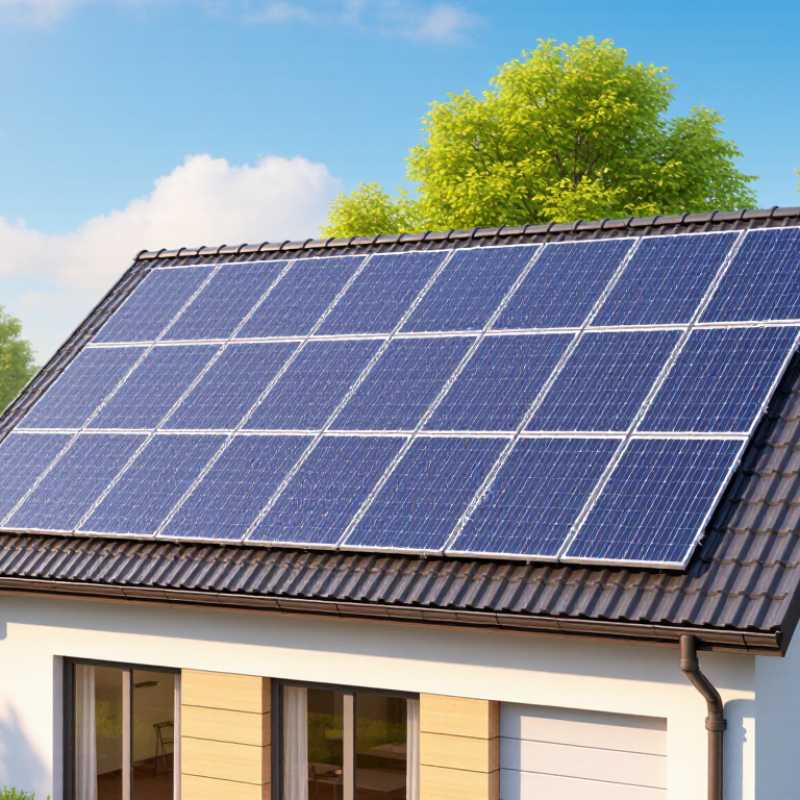
Choosing a home solar panel begins with your roof, not a sales brochure. Monocrystalline panels usually provide high efficiency in limited spaces. Their dark, uniform cells can produce more power per square meter. They often suit smaller roofs or homes with strong sunlight.
Polycrystalline panels usually cost less, but they need more roof area for similar output. Their blue, speckled appearance is noticeable. Thin-film panels are lighter and more flexible. They can perform well on unusual surfaces, although their lower efficiency may require extra space. In hot conditions, performance differences can matter. A local solar professional should compare temperature ratings, shading, roof direction, and yearly sunlight before recommending a type.
Tips:
Ask for a shade analysis, not a quick estimate. Check the panel’s efficiency, degradation rate, product warranty, and installation warranty. Confirm that the installer follows local electrical codes and provides clear maintenance instructions. I would also inspect the roof first. Installing panels on aging shingles can create an avoidable repair problem. This is easy to overlook. A cheaper panel is not always the cheaper system, especially when extra mounting work or limited roof space increases costs. Pay attention to practical details, such as nearby trees, chimney shadows, snow buildup, and access for future repairs.
Assessing Your Home’s Energy Needs and Roof Conditions
What Is the Best Solar Panel for My Home?
Your roof should be assessed before comparing panel specifications. Start with electricity use, not advertised wattage. The U.S. Energy Information Administration reported average household electricity consumption of about 10,791 kilowatt-hours in 2022. Review twelve months of utility bills, then note seasonal peaks from heating, cooling, or electric vehicles. A larger roof system is not always better.
Roof conditions can change the recommendation. In the Northern Hemisphere, south-facing surfaces usually receive strong annual sunlight, while east- and west-facing roofs can still perform well. The National Renewable Energy Laboratory’s PVWatts model evaluates tilt, azimuth, shading, temperature, and system losses. Those details matter more than a panel’s laboratory efficiency alone. A chimney may cast a narrow shadow at noon, yet a nearby tree can reduce production across several hours.
Measure usable roof area and inspect its age, material, drainage, and structural condition. The U.S. Department of Energy advises considering roof replacement before installation when the roof is near the end of its service life. This avoids removing the system later. A professional site assessment should include shade mapping and an electrical review. Online estimates are useful, but imperfect.
I once assumed a clean, open roof was automatically suitable. That was too simplistic. Local weather, snow loads, wiring distance, and future household demand can alter the final design. Choose the panel system that fits those conditions, not merely the highest number on a product sheet.
Comparing Solar Panel Efficiency, Durability, and Appearance
Choosing the best solar panel means balancing efficiency, durability, and appearance. Efficiency matters when roof space is limited. Fraunhofer ISE’s 2024 Photovoltaics Report places leading commercial module efficiencies above 23%, while many residential panels remain near 20% to 23%. A higher rating can produce more electricity per square metre. However, real output also depends on shade, roof direction, temperature, and installation quality.
Durability deserves equal attention. NREL field studies commonly report annual module degradation near 0.5%. That sounds small, but it affects decades of production. Look for testing under IEC 61215 and IEC 61730 standards. Strong frames, sealed junction boxes, and resistance to hail or heavy snow can protect long-term performance.
Appearance is less technical, yet highly personal. Dark cells, low-profile frames, and a consistent layout may suit a modern roof. Reflective surfaces can look distracting from nearby windows. I have learned that the most efficient panel is not always the best visual choice. My first comparison also overlooked roof ventilation, which was a mistake.
Tips:
Measure usable roof areas before comparing efficiency ratings. Request a shade analysis for different seasons. Ask for degradation data, temperature coefficients, and product testing documents. Compare the panel with your roof tiles in daylight, not only in online images. A slightly lower-efficiency panel may fit better and create a cleaner roofline.
Matching Panel Technologies to Your Budget and Local Climate
What Is the Best Solar Panel for My Home?
Matching Panel Technologies to Your Budget and Local Climate
The best solar panel depends on your roof, climate, and available budget. In hot regions, panels with a strong temperature coefficient usually lose less output during summer afternoons. This detail matters when roof temperatures climb above 40°C. Monocrystalline panels often provide high efficiency in limited spaces, but they can cost more. Polycrystalline panels may suit larger roofs where space is less restrictive. Efficiency alone is not the full answer. Shade, roof direction, dust, and seasonal sunlight can change real-world production.
Tips: Ask for an annual production estimate based on local weather data. Compare temperature coefficients, degradation rates, installation costs, and warranty terms. Request shade analysis for chimneys, trees, and nearby buildings. In snowy areas, examine the mounting angle and local snow-load requirements. Small details matter.
A qualified installer should inspect the roof before recommending a system. They should explain expected output, maintenance access, and inverter compatibility in plain language. Check independent test results and current electrical standards, rather than trusting a sales estimate. I would not choose the cheapest option automatically. Lower upfront costs may bring weaker performance in extreme heat or require more roof space. Still, the most efficient panel is not always practical. A modest system with reliable installation may fit your home better. Real conditions are messier than brochure figures.
Choosing a Reliable Installer and Evaluating Long-Term Value
What Is the Best Solar Panel for My Home?
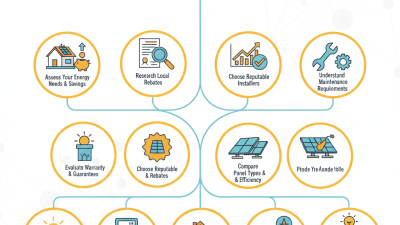
The best solar panel is not always the one with the highest efficiency rating. A reliable installer matters just as much. Ask whether the installer checks your roof structure, shade patterns, electrical panel, and local permitting requirements. A serious professional should provide a written design, expected annual production, equipment specifications, and installation costs. Avoid vague promises. Real homes rarely perform exactly like online calculators suggest.
Review the warranty terms carefully. Check coverage for panels, inverters, mounting hardware, and workmanship. Also ask who handles repairs if the installer closes or changes ownership. A dependable company should explain monitoring systems in plain language. Look for recent customer references, proper licensing, insurance, and documented experience with similar roofs. One overlooked detail can become expensive later. I might focus too heavily on panel output, while labor quality and roof preparation often influence long-term value more.
Tips:
Request at least three detailed quotes. Compare total cost, projected production, maintenance duties, and financing terms. Ask for a roof inspection before signing. Keep every document, including permits and warranty contacts. Do not accept pressure to decide immediately. A slightly lower quote may hide weaker workmanship, while the most expensive option may not provide better results. The useful choice is the one you can understand, verify, and maintain for many years.