Top 10 Solar Power Installation Companies Worldwide
The global solar market is expanding from utility-scale deserts to factory rooftops, village microgrids, and compact home systems. Behind these projects are solar power installation companies that design, engineer, finance, build, and maintain complex energy infrastructure. This article introduces ten leading companies operating across major international markets, selected for project experience, technical capability, safety practices, service coverage, and documented performance.
The list is not a permanent verdict. Company strength can change with local regulations, supply chains, financing conditions, and project quality. A firm may deliver a remarkable solar farm in one region yet face delays or weaker support elsewhere. That matters. We examine practical details, including installation scale, battery integration, grid connection expertise, monitoring systems, and long-term maintenance. Readers should also review current certifications, warranties, customer references, and independently verified project data before making a decision.
Some companies specialize in massive utility plants. Others focus on commercial rooftops, residential systems, or hybrid solar-and-storage projects. Their field teams work under intense heat, uneven terrain, and strict electrical requirements. Small details often decide reliability, such as cable protection, inverter placement, drainage, and cleaning access. This overview aims to provide a balanced starting point, not a sales pitch. Evidence is useful. So is caution. Companies may advertise impressive capacity figures, but completed installations and dependable after-sales support reveal more. The ranking therefore reflects available evidence while acknowledging gaps that deserve further research.
Solar Power Installation Companies: Industry Scope and Global Role
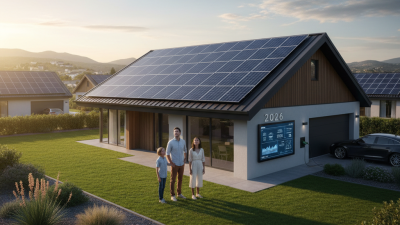
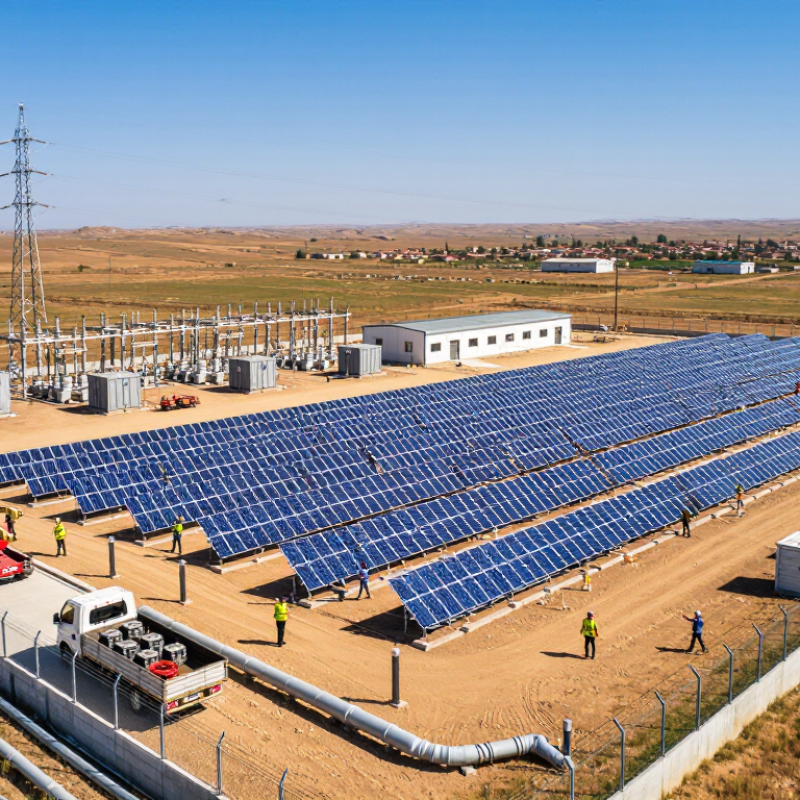
Solar power installation companies now serve homes, factories, farms, and large utility sites worldwide. Their industry scope includes site surveys, system design, permitting, equipment installation, grid connection, monitoring, and maintenance. A useful top-ten comparison should examine completed capacity, safety records, project quality, and service coverage.
Experienced teams inspect roof angles, shading, cable routes, soil conditions, and local weather patterns. They calculate expected output rather than selling optimistic numbers. At utility scale, engineers manage land surveys, transformer placement, drainage, and thousands of panel connections. It is demanding.
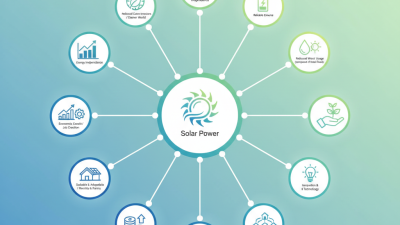
The global role is broader than electricity generation. Installers help reduce fuel imports, support rural electrification, create technical jobs, and strengthen local energy resilience. In some regions, batteries keep clinics and small businesses operating during outages. Local technicians also improve long-term system performance.
Yet the sector is not flawless. Forecasts can miss unusual rainfall, dust levels, or prolonged heat. Permits may delay construction for months. Poor cable management can create avoidable maintenance problems. Professional companies address these weaknesses through documented inspections, certified training, transparent performance estimates, and clear warranty terms. Clients should review safety procedures, monitoring access, replacement timelines, and evidence from operating projects. Those details often reveal more than impressive capacity figures.
Criteria for Ranking the Top 10 Companies Worldwide
Ranking the Top 10 Solar Power Installation Companies Worldwide requires more than comparing annual sales. The evaluation should begin with verified installed capacity and the number of completed utility, commercial, and residential projects. Independent records, construction permits, and operating data can reveal whether claimed experience matches reality.
Project quality deserves equal weight. Reviewers should examine system performance, equipment reliability, installation safety, and maintenance response times. A strong company can explain how it handles roof limitations, harsh weather, grid delays, and battery integration. Geographic reach also matters, but local training and legal compliance matter more than a long office list. Customer references, warranty terms, financial stability, and transparent reporting should support every score. Numbers alone can mislead.
A practical ranking might assign 30% to proven project delivery, 20% to long-term system performance, and 15% to safety and compliance. The remaining points could assess service coverage, technical innovation, pricing clarity, and customer satisfaction. Evidence should come from audits, public filings, field inspections, and interviews with project owners. Not every source is equally reliable. Some performance data may be self-reported, while customer reviews can be unusually positive or negative. The ranking should disclose these weaknesses instead of hiding them. A company with fewer installations may deserve recognition when its systems perform consistently for years. That distinction is easy to miss.
Profiles of the Top 10 Solar Power Installation Companies
The top 10 solar power installation companies are judged by more than installed megawatts. Their profiles reveal different strengths across utility-scale construction, commercial rooftops, residential systems, and storage integration. IRENA reported that global solar capacity reached about 1,865 GW by the end of 2024. This rapid expansion rewards companies with strong engineering teams, dependable procurement, and proven grid-connection experience.
The leading utility-scale installer manages complex sites, from desert foundations to high-voltage substations. Another excels in rooftop deployment, using digital surveys and standardized mounting systems. Several profiles focus on hybrid projects that combine photovoltaic panels, batteries, and smart controls. This matters as the IEA expects solar power to drive most new renewable capacity through 2030. Local expertise also separates the strongest companies. Weather data, labor practices, permitting rules, and maintenance access can change project results quickly.
Performance is not perfectly measured by scale. A company with a smaller portfolio may deliver better uptime and safer work. IRENA’s cost data shows that solar remains highly competitive, but financing, grid delays, and land preparation still affect final returns. The best profiles therefore include warranty response, module traceability, worker training, and long-term asset monitoring. Rankings remain imperfect. Public project data can miss cancellations or delayed commissioning, so buyers should verify operating sites, not only announced pipelines.
Global Reach, Technologies, and Project Specializations
Top 10 Solar Power Installation Companies Worldwide
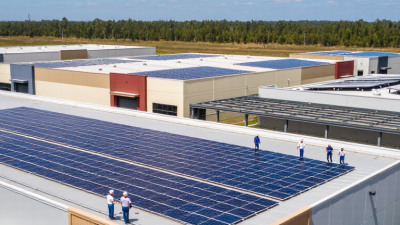
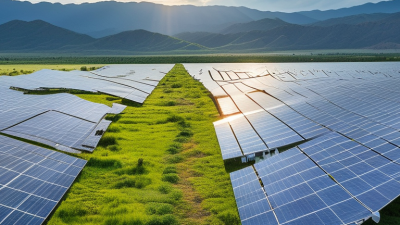
The leading ten solar installation companies operate across diverse markets, from dry deserts to crowded urban districts. Their global reach depends on local engineering teams, reliable contractors, and knowledge of regional grid rules. A company may manage a 500-megawatt solar park in one country, then install compact rooftop systems in another. This flexibility matters when supply chains, weather patterns, and permitting requirements change quickly.
Different technologies define their project specializations. Utility-scale developers often use single-axis trackers, which rotate panels toward the sun and improve daily energy production. Rooftop specialists focus on lightweight modules, smart inverters, and safe cable routing around homes and factories. Some firms build floating solar arrays on reservoirs. Others combine agriculture with elevated panels, leaving space for crops and farm machinery. Battery storage is increasingly paired with these systems to reduce evening grid pressure. The details matter.
Performance is not measured by panel capacity alone. Experienced teams assess soil strength, wind loading, shading, maintenance access, and long-term degradation. They also monitor output through digital platforms and inspect equipment with thermal cameras. Still, no company leads every category. A strong desert contractor may struggle with dense city rooftops. A skilled residential installer may lack experience with transmission-scale projects. Rankings can also change when financing costs or local policies shift. That uncertainty deserves honest attention.
Top 10 Solar Power Installation Companies Worldwide - Global Reach, Technologies, and Project Specializations
Global solar market context based on cumulative solar photovoltaic capacity by leading national markets in 2023.
The chart uses national solar PV capacity as an objective indicator of global installation scale. It covers utility-scale and distributed photovoltaic systems and does not display company or brand-level data. Source: IRENA, Renewable Capacity Statistics 2024.
Market Performance, Challenges, and Future Opportunities
Top 10 Solar Power Installation Companies Worldwide
Market Performance, Challenges, and Future Opportunities
The global solar installation market continues to expand, supported by falling equipment costs and stronger clean-energy policies. Large installers compete through project scale, financing access, and reliable construction schedules. Performance varies widely across regions. A utility-scale project may progress quickly in a sunny area, yet face months of grid delays elsewhere.
Installation quality remains a major challenge. Poor roof assessments, weak cable protection, and inadequate maintenance can reduce energy output. Weather creates additional pressure. Dust can cover panels within days, while storms may damage exposed equipment. Skilled teams now use drone surveys, thermal inspections, and digital monitoring to identify faults earlier. These tools help, but they do not replace experienced technicians.
Grid congestion is becoming harder to ignore. In some markets, completed solar projects wait for transmission upgrades before producing at full capacity. Financing is another concern, especially when interest rates rise. Smaller contractors may also struggle with training and component shortages. That assumption is too neat. More solar capacity does not automatically mean better energy access.
Future opportunities include battery storage, floating solar, agrivoltaic systems, and neighborhood-scale installations. Hybrid projects can combine solar generation with flexible storage during evening demand. Local workforce programs may improve installation quality and create durable employment. Transparent performance data will matter more as buyers compare long-term output, maintenance records, and safety practices. Some forecasts still appear overly confident. Real progress will depend on dependable grids, practical regulation, and disciplined project execution.