Industrial solar is moving from a sustainability option to a serious energy strategy. IRENA’s Renewable Capacity Statistics 2024 recorded 346 gigawatts of new solar capacity worldwide in 2023. Solar represented nearly three-quarters of all renewable additions that year. The IEA’s Renewables 2024 report expects solar photovoltaic and wind power to deliver about 95% of global renewable capacity growth through 2030. The market is expanding quickly.
Choosing an industrial solar panel installation company requires more than comparing panel prices. A reliable contractor should understand high-voltage design, structural loading, fire protection, grid interconnection, and industrial safety procedures. The strongest providers can evaluate a warehouse roof, trace afternoon shading, size inverters, and coordinate transformer upgrades. They should also offer commissioning records, real-time monitoring, preventive maintenance, and clear warranty responsibilities. Small details matter.
This guide examines ten leading companies through practical criteria, including project experience, engineering depth, installation quality, financial stability, and after-sales support. Public project evidence and recognized industry reports inform the comparison. However, “best” depends on location, facility size, utility rules, and operating goals. A national developer may suit a distribution center, while a regional specialist may deliver better service for a factory. No ranking is perfect. Company performance can also change after a contract is signed. Careful site inspections and written production guarantees remain essential when selecting an industrial solar panel installation partner.
A strong industrial solar panel installation company understands factories, warehouses, and processing facilities. It does more than place panels on an empty roof. Experienced teams inspect roof age, structural loads, drainage paths, and daily energy demand. They study utility bills and production schedules before recommending system capacity.
A site survey should include shaded areas, crane access, fire lanes, and electrical rooms. Small details matter.
Professional installers use stamped engineering plans, certified equipment, and documented safety procedures. They coordinate with electricians, roof specialists, utility representatives, and facility managers. Their work should meet applicable electrical, construction, and workplace standards.
Clear proposals show expected generation, equipment warranties, maintenance duties, and possible delays. Vague savings claims deserve careful questions. So do unusually fast timelines.
Reliable companies also explain what happens after commissioning. They monitor system performance, test protective devices, and provide maintenance records. A useful handover includes emergency contacts, monitoring access, and training for on-site staff.
Industrial systems can lose output because of dust, heat, inverter faults, or unexpected shading. Regular inspections reveal these problems early.
No project is flawless. A missed assumption about roof repairs can change the budget and schedule. Honest installers acknowledge that risk instead of hiding it. Their experience appears in measured decisions, accurate records, and practical communication with the people who operate the facility every day.
Industrial solar installation providers should be judged by evidence, not polished rankings. Ask for comparable projects with similar roof areas, energy loads, and grid conditions. A serious contractor explains design choices in plain language. They should inspect roof structure, shading, transformer capacity, drainage, and fire access before pricing the work.
Request production estimates showing assumptions, seasonal losses, degradation, and maintenance needs. Vague savings promises deserve caution. Check licenses, insurance, safety records, and engineering qualifications. An independent engineering review can reveal weak cable routes or unrealistic output figures. Visit an operating site when possible. Look for clean equipment rooms, labeled disconnects, and organized maintenance logs.
Contracts need careful reading. Confirm equipment standards, workmanship coverage, monitoring access, response times, and post-commissioning responsibilities. Ask who handles permits, utility coordination, inspections, and roof repairs. Speak with recent commercial customers, not only selected references. Their comments about delays may matter more than sales presentations. A useful evaluation is rarely perfect. Initial models can miss dust, curtailment, or unexpected downtime. Strong providers admit these uncertainties and update forecasts openly. Compare total lifecycle cost, not only installation price. The cheapest proposal may leave costly gaps in maintenance, compliance, or replacement planning.
Leading industrial solar companies begin with a measured site assessment, not a glossy proposal.
Engineers inspect roof condition, soil stability, shading, drainage, and access routes. They review twelve months of electricity bills and production schedules. Thermal scans can reveal hot electrical connections. Drone surveys help map large, difficult roofs. Yet old drawings can mislead. A second field check is wise.
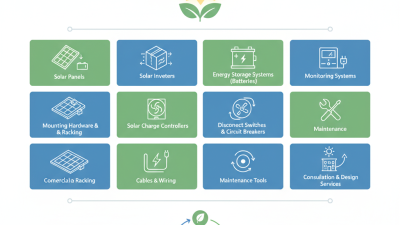
Core services include system design, energy modeling, equipment selection, permitting support, and construction management.
Designers balance panel layout with fire access, wind loads, cable length, and future expansion. Industrial projects may add battery storage, backup controls, or vehicle charging. Skilled crews install racking, inverters, transformers, and monitoring hardware. They document torque settings, insulation tests, grounding checks, and commissioning results. Details matter.
After energization, reliable providers track output, alarms, weather, and equipment temperature through a monitoring platform.
Maintenance teams clean modules, inspect connectors, test protection devices, and respond to faults. They also provide training, operating manuals, warranty coordination, and scheduled performance reviews. Production estimates should show assumptions, not only attractive numbers. Dust, heat, curtailment, and downtime can reduce returns. A careful provider explains these weaknesses before installation.
Comparing the 10 Best Industrial Solar Panel Installation Companies
Comparing industrial solar installers requires more than checking panel prices. A strong shortlist should include engineering depth, safety records, warranty support, and experience with large rooftops or ground-mounted systems. The International Energy Agency reported that global solar photovoltaic capacity exceeded 1.4 terawatts by the end of 2023. Scale matters, but execution matters more.
The ten leading installers can be compared through measurable details. Review annual installed capacity, average project size, construction timelines, and grid-connection experience. The National Renewable Energy Laboratory’s commercial solar benchmarks show that soft costs remain a significant part of total system pricing. This makes permitting, design accuracy, and procurement discipline financially important. Ask each provider for a sample production model, not only a sales estimate.
Look closely at operations. Does the installer use thermal inspections, remote monitoring, and documented commissioning procedures? Can it coordinate cranes, roof repairs, transformers, and utility approvals? The Solar Energy Industries Association reported 22.5 gigawatts of utility-scale solar additions in the United States during 2023. That growth increases competition, yet quality can vary sharply. Some proposals appear cheaper because maintenance assumptions are vague. I would challenge those figures. A lower bid may become expensive after inverter failures, delayed inspections, or weak performance guarantees. The best comparison should balance cost, reliability, project evidence, and long-term accountability.
| Rank | Anonymous Installer Profile | Primary Industrial Project Range | Typical System Size | Design & Engineering Capability | Battery Storage Integration | Operations & Maintenance | Warranty Coordination | Commercial Financing Support | Overall Score |
|---|---|---|---|---|---|---|---|---|---|
| 1 | Installer Profile 01 | Manufacturing facilities, warehouses, logistics centers | 500 kW–10 MW | Advanced electrical, structural, and interconnection design | Strong | 24/7 monitoring, preventive maintenance, performance reporting | Coordinates equipment and workmanship claims | Power-purchase, lease, and capital-purchase options | 9.4/10 |
| 2 | Installer Profile 02 | Distribution centers, cold-storage buildings, industrial parks | 250 kW–8 MW | Detailed load analysis and utility interconnection support | Strong | Remote monitoring with scheduled site inspections | Standard equipment and workmanship coordination | Lease and energy-service agreements available | 9.1/10 |
| 3 | Installer Profile 03 | Food processing, agriculture, and water-treatment sites | 200 kW–5 MW | Experienced with high-load and corrosion-sensitive environments | Strong | Long-term O&M packages with documented service intervals | Supports product, inverter, and installation warranties | Tax-credit and depreciation modeling support | 8.9/10 |
| 4 | Installer Profile 04 | Retail distribution, office campuses, and mixed-use facilities | 100 kW–4 MW | Strong rooftop and carport feasibility studies | Standard | Online production dashboard and annual inspections | Coordinates standard manufacturer coverage | Third-party lending and commercial lease referrals | 8.7/10 |
| 5 | Installer Profile 05 | Light manufacturing and medium-sized commercial properties | 100 kW–3 MW | Standardized engineering and permitting workflow | Standard | Remote monitoring with optional maintenance contracts | Basic warranty administration support | Capital-purchase and equipment-finance options | 8.4/10 |
| 6 | Installer Profile 06 | Schools, municipal facilities, and public-sector buildings | 100 kW–2.5 MW | Public bidding, compliance, and documentation experience | Standard | Performance reporting and scheduled maintenance | Warranty support subject to contract terms | Municipal financing and grant-application assistance | 8.2/10 |
| 7 | Installer Profile 07 | Hotels, healthcare buildings, and large office properties | 150 kW–3 MW | Focus on energy-use profiling and rooftop constraints | Standard | Monitoring, fault alerts, and optional service visits | Standard documentation and claim-handling process | Lease and power-purchase structures may be available | 8.0/10 |
| 8 | Installer Profile 08 | Small factories, workshops, and owner-occupied facilities | 50 kW–1.5 MW | Efficient standardized designs for repeatable site types | Standard | Web-based monitoring with limited field service coverage | Equipment warranty coordination included | Equipment loans and direct-purchase structures | 7.8/10 |
| 9 | Installer Profile 09 | Remote industrial sites and agricultural processing facilities | 75 kW–2 MW | Good off-grid and backup-power assessment capability | Strong | Remote diagnostics with region-dependent field support | Warranty administration varies by project | Limited financing; strong capital-purchase focus | 7.6/10 |
| 10 | Installer Profile 10 | Small commercial buildings and light industrial properties | 30 kW–750 kW | Basic feasibility, permitting, and installation design | Limited | Basic monitoring with optional maintenance services | Primarily passes manufacturer terms to the customer | Direct purchase and standard commercial loans | 7.2/10 |
Note: Company identities and brand-specific data have been intentionally omitted. Project capacity, financing availability, warranty terms, service coverage, and storage compatibility must be verified against current proposals, contracts, utility requirements, and local regulations before procurement.
Selecting the Right Installer for Your Industrial Solar Project
Choosing an industrial solar installer requires more than comparing online rankings. The strongest candidates show practical experience with factories, warehouses, and high-load facilities. Ask for completed project examples with similar roof structures, energy demands, and operating schedules. A credible installer should explain system design, expected output, maintenance needs, and safety controls in plain language.
Request a detailed site assessment before signing anything. The team should inspect roof strength, shading, electrical equipment, drainage, and access routes. Review licenses, insurance, engineering qualifications, and recent client references. Pay close attention to production estimates. They should include seasonal changes, equipment losses, and local weather conditions. I once underestimated how much roof access affected installation time. That mistake taught me to examine logistics, not only panel efficiency.
Tips: Compare at least three written proposals. Check whether warranties cover labor and equipment separately. Confirm who manages permits, inspections, grid coordination, and future repairs. Ask for a realistic construction schedule, including delays caused by weather or factory operations. Be cautious when savings appear unusually high. Ask for the assumptions behind every figure. The cheapest offer may create higher costs later. Also, request monitoring access after commissioning. Clear performance data helps facility managers detect faults before they become expensive.