Top 10 Solar Equipment You Need for Your Business?
In today’s world, harnessing solar energy is crucial for businesses looking to cut costs and promote sustainability. According to Dr. Emily Chen, a renowned expert in the solar equipment industry, “Investing in the right solar equipment transforms not only energy consumption but also financial growth.” As companies aim to reduce their carbon footprint, the choice of solar equipment has never been more critical.
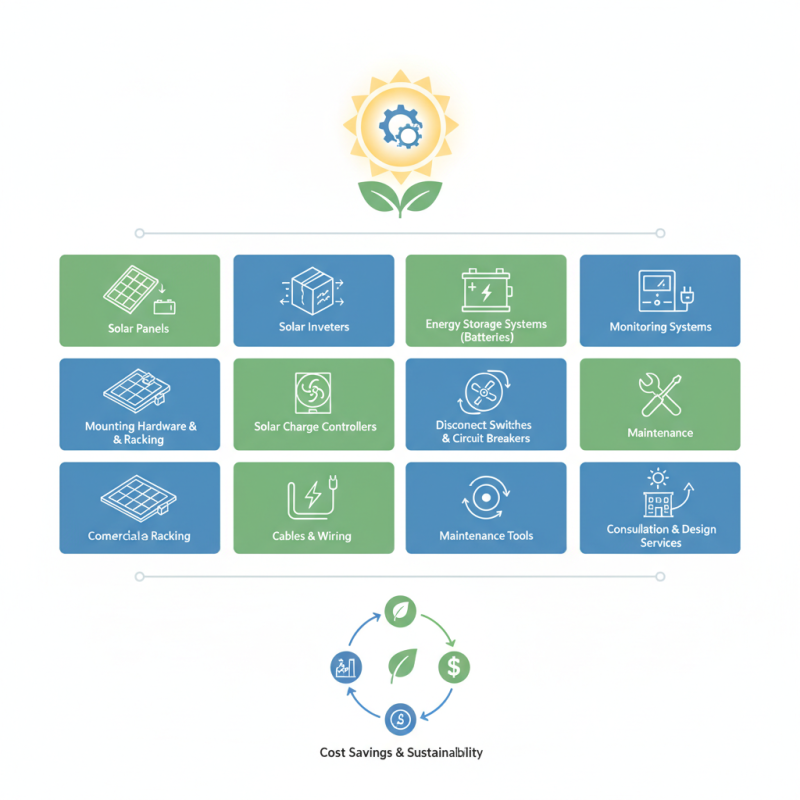
The variety of solar equipment available can be overwhelming. From solar panels to inverters, each component plays a vital role in optimizing energy efficiency. Moreover, businesses must consider their unique needs when selecting these essential tools. For instance, not all solar panels are created equal. Brands vary in efficiency, warranty, and pricing.
Furthermore, with emerging technologies, some equipment may quickly become outdated. Keeping up with industry trends is necessary for informed decision-making. Relying solely on initial information can lead to regrettable selections. Thus, reflecting on what works best for your specific business model is vital in this fast-paced field.
Essential Solar Panels for Efficient Energy Generation
When considering solar panels for your business, think about efficiency and reliability. Solar panels convert sunlight into electricity.
Choosing the right type can significantly impact your energy generation. High-efficiency panels typically yield more power in smaller spaces. This is crucial for businesses with limited roof space.
Look for panels that are durable and have a good warranty. Many panels come with warranties lasting 25 years or more. While they may have a higher upfront cost, their long-term performance can justify the investment.
It’s also important to consider the installation process. Proper installation ensures maximum efficiency and safety.
Reflect on the energy needs of your business. Will you use most energy during the day? Or will you need nighttime power? Assessing these needs helps select the right solar technology.
However, keep in mind that not all locations receive the same sunlight. Research the solar potential of your area before making decisions. Some businesses may find certain panels don’t meet their requirements as expected.
Evaluating real-time performance data can make a difference.
Inverters: Converting Solar Energy for Usable Power
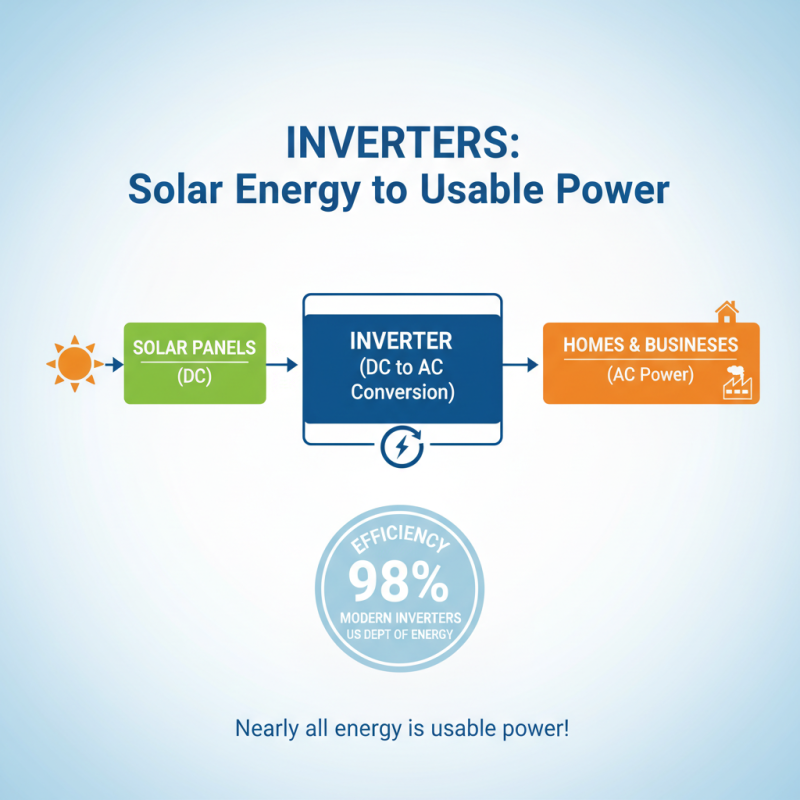
Inverters play a crucial role in solar energy systems. They convert direct current (DC) generated by solar panels into alternating current (AC) for use in homes and businesses. The efficiency of inverters directly affects the overall performance of a solar power system. According to the U.S. Department of Energy, modern inverters can achieve efficiencies as high as 98%. This means that nearly all the energy from the solar panels is usable.
However, not all inverters are created equal. There are several types, including string inverters, microinverters, and power optimizers. Each type has its own strengths and weaknesses. Microinverters, for example, enable better performance in shaded conditions but can be pricier. A study by the National Renewable Energy Laboratory suggests that choosing the right inverter could increase energy yield by 10% to 20%.
Installing an inverter also requires careful consideration of location and environment. Dust, moisture, and temperature fluctuations can all impact inverter performance. Regular maintenance is essential. While many inverters are designed for longevity, unexpected failures can occur. Being prepared to address these challenges proactively ensures the sustainable operation of solar systems in your business.
Battery Storage Systems for Maximizing Energy Utilization
Battery storage systems are essential for maximizing energy utilization in a solar-powered business. These systems enable businesses to store excess energy generated during peak sunlight hours. This stored energy can be used during cloudy days or at night, ensuring a continuous power supply. By integrating battery storage, companies can reduce reliance on the grid, potentially lowering energy costs.
Investing in a reliable battery storage system can be challenging. Not all systems are created equal. Factors like capacity, discharge rates, and lifespan need careful consideration. The wrong choice can lead to inefficiencies, potentially wasting money. Businesses must evaluate their specific energy needs and usage patterns. Sometimes, this requires seeking out expert advice for informed decisions.
While battery systems offer significant benefits, there are limitations. Performance can diminish over time. Regular maintenance is necessary to ensure reliability. Additionally, the initial investment can be high. It’s crucial to weigh long-term savings against upfront costs. Understanding these complexities is vital for any business looking to succeed in renewable energy.
Mounting Systems for Optimal Solar Panel Placement
Mounting systems play a crucial role in the effectiveness of solar panels. Proper installation maximizes energy capture and ensures stability. Different mounting types exist, including fixed, adjustable, and tracking systems. Each offers unique benefits, depending on your location and business needs.
Fixed systems are simple and cost-effective. They are best for areas with consistent sun exposure. However, they lack flexibility. Adjustable mounts allow for seasonal angle changes, enhancing efficiency. Tracking systems follow the sun across the sky, increasing energy output significantly. This option, though, can be more complex and requires careful planning.
Choosing the right system involves assessing your site's conditions. Roof-mounted systems save ground space but may need roof reinforcement. Ground-mounted systems provide flexibility in positioning but take up more land. It's essential to consider maintenance needs as well. Simplifying access can reduce long-term operational challenges, even if the initial setup seems daunting.
Monitoring Systems for Tracking Solar Energy Performance
Monitoring systems play a crucial role in solar energy performance. These systems help businesses optimize energy production. They track real-time data on energy output and efficiency. This allows for quick adjustments to maximize solar performance.
Understanding energy production patterns is vital. Monitoring systems provide insights into daily and seasonal changes. These details help identify peak production times. However, not all systems are equally reliable. Some may lack the necessary features for comprehensive analysis.
Effective monitoring goes beyond just tracking data. It also involves setting benchmarks and alerts. Businesses should be prepared for unexpected drops in performance. Regular maintenance checks and software updates can enhance reliability. Emphasizing these aspects can lead to better energy management and cost savings.
Top 10 Solar Equipment You Need for Your Business - Monitoring Systems for Tracking Solar Energy Performance
| Equipment |
Function |
Key Features |
Cost Range (USD) |
| Solar Inverter |
Converts solar energy into usable electricity |
High efficiency, grid-tied, remote monitoring |
1,000 - 3,000 |
| Solar Panels |
Harvests solar energy |
Monocrystalline, polycrystalline, thin-film |
200 - 600 |
| Mounting Systems |
Secures solar panels |
Adjustable angles, durable materials |
100 - 500 |
| Battery Storage |
Stores energy for later use |
Lithium-ion, lead-acid, capacity ratings |
300 - 8,000 |
| Monitoring Software |
Tracks energy production and performance |
Real-time analytics, reporting tools |
200 - 1,000 |
| Charge Controller |
Regulates battery charging |
MPPT, PWM technology |
50 - 400 |
| Safety Disconnect Switch |
Allows for safe maintenance |
Manual and automatic options |
100 - 300 |
| Wiring and Connectors |
Connects solar system components |
UV resistant, high current capacity |
20 - 200 |
| Data Loggers |
Records performance data |
Long-term logging, various sensors |
150 - 1,200 |
| Inverter Monitoring Systems |
Monitors inverter performance |
Alerts, performance tracking |
250 - 800 |