Top 10 Benefits of Solar Energy for Homeowners Today?
As the demand for sustainable living grows, homeowners are turning to solar energy for home solutions. According to the U.S. Department of Energy, residential solar installations increased by over 20% in 2022. This surge highlights a shift in perspective regarding energy consumption. Homeowners recognize the long-term savings and environmental benefits of adopting solar technology.
Experts like Dr. Lisa Wang, a leading figure in renewable energy research, emphasize, "Solar energy for home use is not just a trend; it is the future." Her insights reflect a growing consensus among industry professionals. While many are enthusiastic about the potential of solar energy, concerns about initial costs and installation complexities persist.
Despite these challenges, the advantages of solar energy are compelling. Reports indicate that homeowners can save an average of $20,000 over 20 years by switching to solar. This figure underscores the financial benefits. However, navigating the initial hurdles is crucial for a successful transition to solar energy for home use. Addressing these obstacles can pave the way for a more sustainable future.
Benefits of Solar Energy for Homeowners: An Overview
Solar energy is increasingly popular among homeowners today. It offers numerous benefits that enhance not only savings but also environmental wellness. A report from the National Renewable Energy Laboratory states that installing solar panels can reduce electricity bills by up to 70%. This significant reduction translates to substantial long-term savings and a shorter payback period for the investment in solar technology.
Homeowners can also gain increased property value by installing solar systems. According to studies by the U.S. Department of Energy, homes equipped with solar panels can sell for an average of 4.1% more than similar homes without them. This statistic showcases how solar energy not only provides immediate financial benefits but also contributes to long-term asset appreciation.
Furthermore, using solar energy contributes to a cleaner environment. The reduction in carbon emissions is substantial; it is estimated that a residential solar system can offset over 100,000 pounds of carbon dioxide over its lifetime. While there are initial costs and possible maintenance concerns, the benefits of solar energy can lead to a more sustainable and economically viable future for many homeowners. The decision to go solar is not just about saving money; it reflects a commitment to sustainable living.
Top 10 Benefits of Solar Energy for Homeowners
Cost Savings from Reduced Utility Bills with Solar Power
One notable benefit of solar energy for homeowners today is the significant cost savings associated with reduced utility bills. By harnessing the sun's energy, homeowners can lower their monthly electricity expenses. Imagine receiving a utility bill that is much smaller, or even having it disappear altogether during peak sunny months. This shift can redefine your household budget, allowing for better financial planning.
Solar panels can dramatically cut down the reliance on traditional energy sources. In many regions, homeowners report savings ranging from 20% to 50% on their energy bills. While installation costs may seem daunting initially, the long-term savings often outweigh the upfront investment. The technology is continuously improving, making solar energy more efficient and accessible. However, not all homes are equally suited for solar installations, and some homeowners may face challenges like shading or roof orientation.
Investing in solar energy also contributes to the larger fight against climate change. Many homeowners find value in reducing their carbon footprint. However, potential challenges exist. The reliability of solar energy may vary depending on location and weather patterns. Homeowners must weigh these factors carefully. Are solar panels right for every household? The answer might not be simple, but the potential savings and environmental benefits can be compelling.
Environmental Impact: How Solar Energy Helps the Planet
Solar energy is revolutionizing the way homeowners think about their environmental impact. Reports from the National Renewable Energy Laboratory indicate that solar power can reduce carbon dioxide emissions by as much as 40% for an average household. This significant reduction plays a crucial role in combating climate change.
Moreover, solar installations contribute to cleaner air. According to the U.S. Environmental Protection Agency, transitioning to solar energy can prevent thousands of tons of harmful pollutants from entering the atmosphere annually. Metrics show that replacing conventional energy sources with solar can lead to a noticeable drop in respiratory issues linked to air quality.
While adopting solar energy presents many benefits, challenges remain. The initial investment can be daunting for many families. Furthermore, the efficiency of solar panels can vary based on location and weather conditions. Homeowners must weigh these factors carefully, ensuring that their path to sustainability is both beneficial and practical. The journey toward renewable energy is ongoing, with room for improvement in policy and technology to make solar energy accessible to all.
Increased Home Value with Solar Energy Installation
Homeowners today seek various ways to enhance their property value. One effective method is installing solar energy systems.
Solar energy can significantly boost your home’s market appeal. Research indicates that homes with solar panels generally sell for more. This is particularly true in areas where energy efficiency is highly valued.
Investing in solar energy not only lowers electricity bills but also attracts future buyers. Many potential homebuyers prioritize energy efficiency. A property equipped with solar panels will often stand out in listings.
In some regions, solar energy installations can increase home values by thousands of dollars.
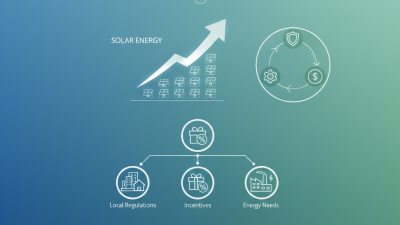
When considering solar installations, think about local incentives. Some states offer tax credits or rebates. These can offset installation costs and enhance value even further. Assess your roof’s condition; it should be ready for the additional weight of solar panels.
Evaluate your energy needs to choose the right system size. Maintenance is key; keep panels clean and check for wear. The journey to solar energy can present challenges, but the financial benefits are compelling.
Energy Independence and Security for Homeowners
As homeowners seek greater energy independence, solar energy presents an appealing solution. According to the National Renewable Energy Laboratory, solar power can reduce reliance on the grid by up to 75%. This is significant, especially during energy crises or price surges. Homeowners with solar panels can generate their electricity, paving the way to energy security.
Moreover, adopting solar energy can serve as a financial buffer against rising utility rates. The U.S. Energy Information Administration reports that residential electricity prices have increased by around 4% annually. This trend pressures homeowners to look for alternatives. Investing in solar panels not only lowers electricity bills but also provides stability in energy costs.
When considering solar energy, it’s wise to evaluate local incentives. Many areas offer tax credits and rebates, which can offset installation costs. Research local regulations on solar energy to maximize benefits. Homeowners should also assess their roof's suitability for solar panel installation and possible shading issues. Engaging with local solar experts can provide tailored insights, ensuring a successful transition to clean energy.
Conclusion
Solar energy for home usage presents numerous advantages for homeowners today. One of the most significant benefits is the cost savings on utility bills, as harnessing solar power can substantially reduce monthly energy expenses. Additionally, homeowners contribute to environmental preservation by utilizing clean energy, thereby decreasing their carbon footprint.
Furthermore, investing in solar energy increases property value, making homes more attractive to potential buyers. This shift towards renewable energy also enhances energy independence and security for homeowners, allowing them to generate their own power. Moreover, various government incentives and tax credits are available to encourage the adoption of solar energy solutions, making it a financially savvy choice for homeowners looking to secure their future while benefiting the planet.