Top 10 Tips for Choosing Solar Power Panels for Your Home?
Solar power panels are becoming increasingly popular among homeowners looking for sustainable energy solutions. With rising electricity costs and a growing emphasis on environmental responsibility, many people are considering solar energy. However, choosing the right solar power panels can be challenging due to the variety of options available.
It's essential to understand what makes a panel efficient and durable. Factors such as efficiency ratings and warranty terms play a crucial role in your decision-making. Some panels may look attractive but may not perform well in the long term. It often requires in-depth research and consultation with experts to make an informed choice.
This decision could save you significant costs in the future. However, not all solar power panels are equal, and choosing the wrong one may lead to regrets. Taking the time to assess your needs and do thorough research is vital. In the end, the right solar power panels can provide both energy savings and peace of mind.
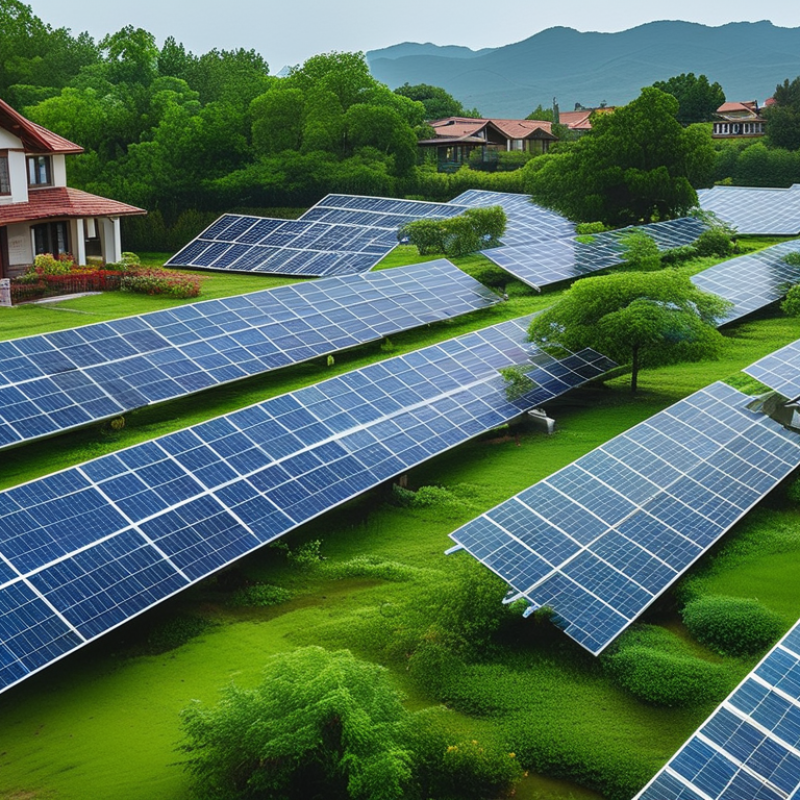
Understanding Your Home's Energy Needs and Consumption Patterns
Understanding your home's energy needs is crucial when choosing solar power panels. Start by analyzing your energy consumption patterns. Look at your electricity bills over the past year. This can help you understand which months consume more energy. High usage during summer months may indicate a need for greater capacity in your solar panels.
Consider how many appliances you regularly use. Assess their wattage and duration of use. For example, an air conditioner might consume more energy than you realize. Ensure to factor in seasonal variations. This awareness can help you choose the right panel size.
Think about your roof's characteristics. The angle and direction of your roof affect solar panel efficiency. Areas with more sunlight will produce more energy. This may not always align with your consumption. You might find yourself generating excess power at times. Reflecting on this can lead to more efficient energy management strategies.
Energy Consumption Patterns and Solar Panel Sizing
This chart illustrates the average monthly energy consumption for a typical household. Understanding these patterns aids in selecting the appropriate solar panel system size to meet energy needs.
Evaluating Different Types of Solar Panels: Monocrystalline vs. Polycrystalline
When selecting solar power panels for your home, understanding the differences between monocrystalline and polycrystalline options is essential. Monocrystalline panels are made from a single crystal structure, which makes them more efficient in converting sunlight into energy. This efficiency often translates to a higher energy output per square foot, especially in limited spaces. They also typically come with longer warranties, indicating greater durability and reliability over the years.
On the other hand, polycrystalline panels consist of multiple crystal structures. While they are generally less expensive, their efficiency is somewhat lower. This means you might need more space for the same energy output. Additionally, polycrystalline panels tend to perform slightly worse in high temperatures. Both types have their pros and cons, and they may not be suitable for every household.
It's important to consider your specific needs. If rooftop space is limited, opting for monocrystalline might be wise. However, don't overlook the financial aspect; the initial investment for monocrystalline panels can be significant. Many homeowners face challenges when weighing cost versus efficiency. Reflecting on your energy goals can guide your decision-making process. Ultimately, evaluating these factors will help you choose the right solar panels for your home.
Assessing the Efficiency Ratings of Solar Panels: What You Need to Know
Assessing the efficiency ratings of solar panels is crucial for making an informed choice. Efficiency refers to how much sunlight a panel converts into usable electricity. A higher efficiency rating means more energy production for your home, particularly in limited space. Standard efficiency ratings range from 15% to over 22%. Panels with efficiency ratings above 20% are considered high-performing. But this often comes at a higher price point.
Understand that efficiency is not the only factor to consider. A panel with lower efficiency may still be suitable depending on your energy needs and roof space. Research different types of solar technologies, like monocrystalline and polycrystalline, as they have varying efficiencies. Sometimes, a lower-rated panel might be more cost-effective over its lifespan.
Evaluate the warranty and durability of the panels. A reliable warranty can indicate a manufacturer's confidence in their product. But be aware that not all high-efficiency panels will last as long as expected. Look for third-party certifications to judge quality. This journey requires careful thought. Solar choices can significantly impact your finances and environmental footprint. Be open to adjustments in your initial assumptions as you gather information.
Considering the Solar Panel Warranty and Lifespan for Long-term Investment
When exploring solar power panels for your home, warranty and lifespan are crucial factors. Solar panels are a long-term investment. A typical warranty runs from 20 to 25 years. This period often reflects the manufacturer's confidence in their product. A longer warranty can indicate better quality and reliability, making your investment worthwhile.
Consider the lifespan of the solar panels as well. Most panels can last between 25 to 30 years with proper care. However, efficiency may degrade over time. It's common for panels to lose up to 20% of their efficiency within 20 years. Checking degradation rates before purchasing can help you gauge long-term performance.
Reading user reviews can provide insights on real-world longevity. Some homeowners report issues, like reduced output after a decade. Understanding these experiences can help manage expectations. Ask sellers about their products' performance data and warranty claims. This research builds your confidence in choosing the right solar power solution for your home.
Analyzing the Cost vs. Benefit of Solar Panel Installation and Incentives
When considering solar panel installation, understanding the cost versus benefit is vital. The initial investment can be daunting. However, the long-term savings often outweigh these costs. Focusing on energy efficiency can further enhance savings. For instance, homes that reduce energy consumption before installing panels may find their overall expenditure lower.
Evaluating available incentives is crucial. Many governments offer tax credits and rebates. This can significantly reduce upfront costs. Research your local and federal programs, as they differ widely. Sometimes, incentives can cover a large percentage of installation costs.
Choosing the right panels involves more than just price. Look into warranties and durability too. Panels can last 25 years or more, so consider their long-term performance. A reputable installer will provide insight into efficiency ratings. Don't hesitate to ask questions. This engagement reflects your understanding and ensures you make informed decisions. Balancing these factors can lead to a rewarding investment in renewable energy.