
2026 Top Home Solar System Types for Global Buyers?
Choosing a home solar system in 2026 requires more than comparing panel wattage and online prices. Global buyers face different sunlight levels, roof designs, electricity tariffs, grid conditions, and battery requirements. A compact rooftop system may suit an apartment owner in Spain. A hybrid system may better serve a family facing outages in South Africa. In colder regions, snow load and shorter winter days can reduce expected production. The right choice begins with the home, not the product brochure. Small details matter.
This guide examines the leading solar system types for homes worldwide, including grid-tied, off-grid, hybrid, and balcony solar solutions. It considers panels, inverters, batteries, monitoring tools, installation limits, and long-term maintenance. Experienced installers usually assess roof orientation, shading, cable routes, and household consumption before recommending equipment. Manufacturer specifications remain useful, but laboratory performance does not perfectly reflect dust, heat, snow, or partial shade. Real conditions can be less generous.
A practical comparison should also examine warranty terms, replacement access, system expansion, and local technical support. Buyers should request clear production estimates and confirm whether battery storage truly matches their evening demand. A low purchase price may hide difficult maintenance or weak after-sales service. No ranking is completely universal. Energy habits change. Markets change too. For reliable decisions, compare several professional proposals and review independent performance data where available. This approach helps buyers select a safer, more durable home solar system for their climate, budget, and daily energy needs.
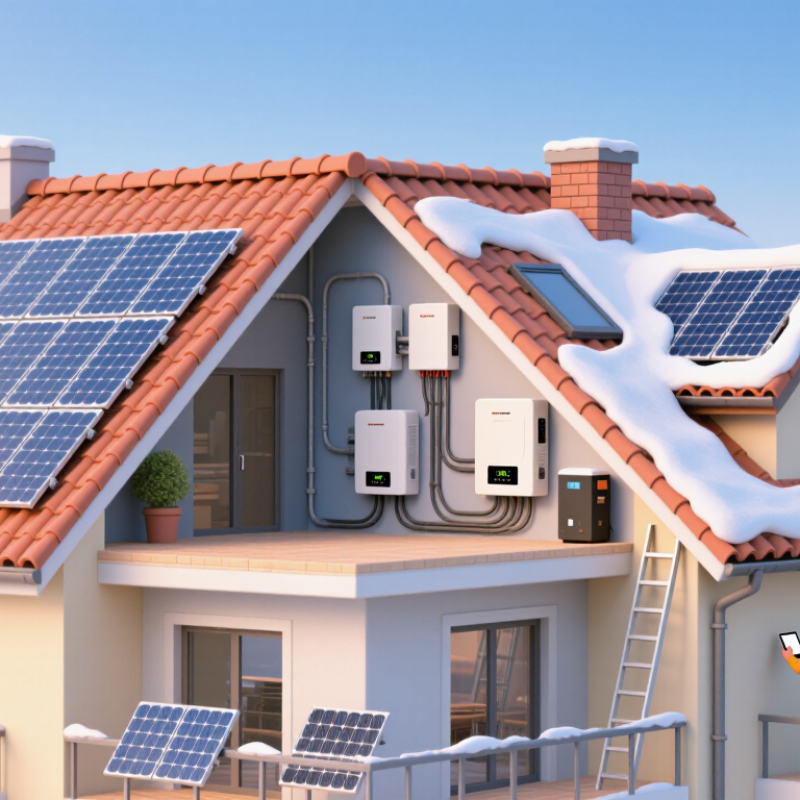
Classify 2026 Home Solar Systems by Grid Mode, Storage, and Daily Load
2026 Top Home Solar System Types for Global Buyers?
Classify 2026 Home Solar Systems by Grid Mode, Storage, and Daily Load
A grid-tied solar system suits homes with reliable utility service and daytime electricity use. It usually costs less because it may operate without batteries. However, it normally stops during a grid outage. That detail surprises some buyers.
A hybrid system adds battery storage and backup control. It can save midday solar energy for evening cooking, lighting, and cooling. A small battery may support essential circuits, while a larger unit can cover longer outages. Battery chemistry, temperature, warranty terms, and service access deserve careful review. Local installer experience also matters. A technically strong design can still perform poorly after weak installation.
Off-grid systems fit remote homes without dependable grid access. They need solar panels, batteries, and often a backup generator. Daily load determines the real system size. A refrigerator, water pump, router, and medical device require different planning from a small weekend cabin. Measure actual consumption across several days, not one optimistic estimate. I would avoid sizing only for average sunlight. Cloudy weeks happen, and batteries age. That is where many plans become too confident. Household habits also change after installation, so leaving limited expansion capacity is sensible.
2026 Top Home Solar System Types for Global Buyers
Classify 2026 Home Solar Systems by Grid Mode, Storage, and Daily Load
| System Type | Grid Mode | Storage Configuration | Typical Daily Load | Typical PV Size | Typical Battery Size | Backup Coverage | Suitable Applications | Main Considerations |
|---|---|---|---|---|---|---|---|---|
| Grid-Connected Solar | Utility-connected | No battery or optional small battery | 5–15 kWh/day | 3–8 kW | 0–10 kWh | No backup during a grid outage unless paired with backup equipment | Urban homes with stable electricity and net-metering or export programs | Lowest upfront cost; output and economic value depend on local grid rules and solar resource |
| Hybrid Self-Consumption System | Grid-connected with backup capability | Lithium-based battery, commonly 5–20 kWh | 8–25 kWh/day | 5–12 kW | 10–20 kWh | Critical loads for approximately 4–12 hours | Homes seeking lower grid purchases and moderate outage protection | Battery size should be matched to evening demand, tariff structure, and required reserve |
| Time-of-Use Solar System | Utility-connected | Medium or large battery for energy shifting | 12–30 kWh/day | 6–15 kW | 10–30 kWh | Usually 6–12 hours, depending on battery dispatch | Homes with high evening electricity prices, electric cooking, or electric vehicles | Financial performance depends on peak and off-peak tariff differences |
| Essential-Load Backup System | Grid-connected with dedicated backup circuits | Battery reserved for refrigerator, lighting, communications, and medical equipment | 3–10 kWh/day for protected loads | 3–8 kW | 5–15 kWh | Approximately 8–24 hours for selected circuits | Areas with short or occasional outages where whole-home backup is unnecessary | Load prioritization and transfer equipment are required; high-power appliances may be excluded |
| Whole-Home Backup System | Grid-connected with automatic backup | Large battery bank, often modular | 20–50 kWh/day | 8–20 kW | 20–60 kWh | Approximately 12–48 hours, depending on load management | Large homes, remote-work households, and regions with frequent outages | Higher cost and space requirements; heating, cooling, pumps, and EV charging need careful sizing |
| Off-Grid Residential System | Independent from the utility grid | Battery bank sized for overnight use and several low-sun days | 5–25 kWh/day | 5–15 kW | 15–60 kWh | Commonly 1–3 days of autonomy | Rural homes, cabins, islands, and properties without reliable grid access | Requires conservative load planning; a backup generator may be used for prolonged cloudy periods |
| Low-Load Essential Solar Kit | Off-grid or weak-grid compatible | Small battery for lights, fans, routers, and device charging | 1–5 kWh/day | 1–3 kW | 2–10 kWh | Approximately 8–24 hours for basic loads | Small homes, seasonal properties, telecommunications, and basic electrification | Not intended for electric water heating, air-conditioning, large pumps, or high-power cooking |
| High-Load Electrified Home System | Grid-connected hybrid or grid-assisted off-grid | Large battery with intelligent load scheduling | 30–70+ kWh/day | 12–25+ kW | 20–80+ kWh | Critical circuits for approximately 6–24 hours | Homes with heat pumps, electric water heating, EV charging, pools, or large workshops | May require three-phase service, larger electrical equipment, demand management, and structural assessment |
Related Posts
-
Why Choose a Home Solar System for Your Home?
-
10 Solar System Installation Tips for Global Buyers
-
2026 Top Trends in Solar Energy Installation Solutions and Innovations?
-
What Are the Best Solar Power Solutions from China?
-
Best 10 Tips to Get Solar Panels for Home Today
-
2026 Best Residential Solar Panels for Sustainable Energy Solutions?