Unirac

Top 10 Benefits of Solar Power for a Sustainable Future?

Solar power represents a crucial step towards a sustainable future. As the world faces climate change, solar energy offers a viable alternative to fossil fuels. We can harness the sun's energy for everyday use. This shift has the potential to reduce emissions significantly.

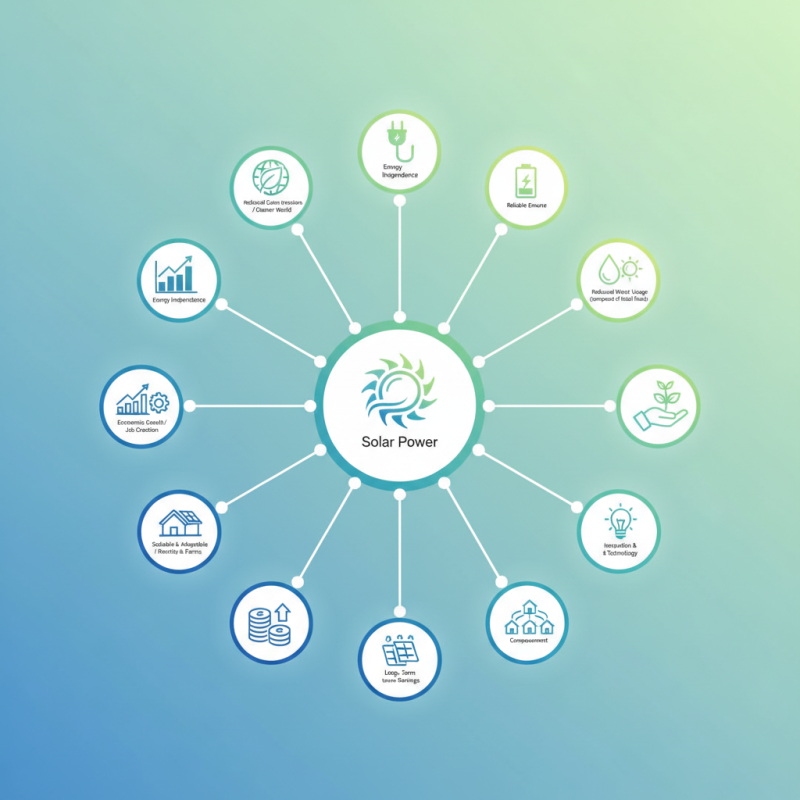
The benefits of solar power are numerous. It not only contributes to energy independence but also fosters economic growth. Communities can thrive through job creation in the solar sector. Moreover, solar power systems are scalable and adaptable. They can be installed on rooftops or larger solar farms.

However, challenges remain. Initial setup costs can be high for some. It requires ongoing investment and innovation. But these obstacles shouldn't overshadow the long-term gains. Embracing solar power can lead us to a cleaner, greener world. Reflection on these benefits highlights why we must prioritize solar energy solutions.
Top 10 Benefits of Solar Power for a Sustainable Future?

Overview of Solar Power and Its Significance in Sustainability
Top 10 Benefits of Solar Power for a Sustainable Future?

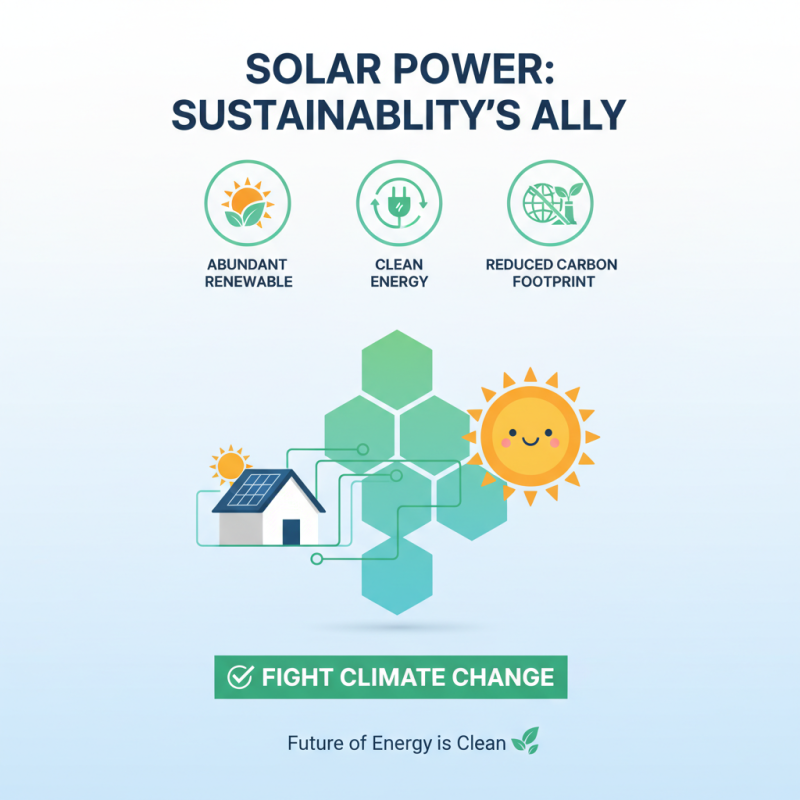
Solar power is a vital element in the push for sustainability. It harnesses energy from the sun, a resource that is abundant and renewable. Unlike fossil fuels, solar energy produces no harmful emissions during generation. This drastically reduces the carbon footprint of energy consumption. As climate change worsens, the importance of transitioning to clean energy sources has become clear.

The installation of solar panels has shown significant growth. Many homes and businesses are embracing this technology. However, not everyone can access solar energy easily. The initial costs of installation can be high for some. Additionally, space limitations can hinder solar panel installation in urban areas. Despite these challenges, the benefits are considerable. Engaging in solar energy not only fosters energy independence but also creates jobs in installation and maintenance.

Reduction of Greenhouse Gas Emissions Through Solar Energy

Solar energy is a powerful solution for combating climate change. By utilizing solar power, we can significantly reduce greenhouse gas emissions. According to a 2022 report by the International Renewable Energy Agency (IRENA), solar power could lower global carbon dioxide emissions by up to 4.5 gigatons annually. This figure represents a substantial portion of the total emissions needed to meet climate goals.

The transition to solar energy doesn’t just benefit the environment; it also offers economic advantages. Solar installations create jobs and stimulate local economies. However, the initial costs can be a barrier for some households. It's essential to weigh these costs against the long-term savings on energy bills and environmental benefits.

Tips for reducing emissions: Consider installing solar panels on home rooftops. Even small systems can make a difference. Another option is to support community solar projects. These initiatives allow you to share resources with others, making solar power more accessible. Remember, every bit helps in reducing our carbon footprint. Reflect on how your choices influence the planet. Every positive decision contributes to a sustainable future.

Top 10 Benefits of Solar Power for a Sustainable Future

Benefit Description Impact on Greenhouse Gas Emissions
Reduction of Carbon Footprint Utilizing solar power reduces reliance on fossil fuels, which significantly lowers carbon emissions. Cuts carbon emissions by up to 80% compared to traditional energy sources.
Job Creation The solar industry creates numerous jobs in manufacturing, installing, and maintaining solar panels. Indirectly reduces emissions by promoting clean energy jobs.
Energy Independence Solar energy enables countries to reduce dependence on imported fuels and enhance energy security. Lowers overall greenhouse gases by reducing transportation emissions of fuels.
Lower Electricity Bills By harnessing solar energy, households can significantly decrease their electricity costs. Encourages less electricity demand from fossil fuel sources, reducing emissions.
Low Operating Costs Solar panels require minimal maintenance and have low operational costs. Reduces need for high-emission backup power systems.
Sustainable Energy Source Solar energy is renewable and can be harnessed anywhere the sun shines. Contributes to a substantial decrease in fossil fuel use.
Energy Storage Options Advancements in battery technology enhance the efficiency of solar energy use. Helps balance out energy supply and reduce reliance on non-renewable sources.
Environmental Resilience Solar power generation has minimal environmental impact compared to fossil fuels. Helps mitigate pollution and reduces health hazards related to fossil fuel combustion.
Increased Property Value Homes with solar energy systems tend to sell at a higher price. Promotes a shift towards energy-efficient properties, further reducing carbon footprints.
Social Awareness Increased adoption of solar energy promotes environmental responsibility among consumers. Encourages community-driven efforts to lower overall greenhouse emissions.

Economic Benefits of Solar Power for Individuals and Communities

Solar power offers significant economic benefits for individuals and communities. By harnessing solar energy, households can reduce their electricity bills. This savings can be used for other essential needs. Many families see their utility costs drop significantly after installing solar panels.

Communities can benefit as well. Solar projects create local jobs. Installation, maintenance, and support roles emerge, boosting the local economy. Schools and public buildings can go solar, reducing expenses. This allows funds to be redirected toward education and public services. However, some areas face challenges such as upfront costs and space limitations.

It's essential to consider these obstacles. Not every community can transition smoothly to solar energy. Awareness programs can help educate about financing options. Acknowledge the gaps while pushing for innovation and support can address these concerns. Investing in solar power is not just beneficial; it's also a step toward a sustainable future.

Top 10 Benefits of Solar Power for a Sustainable Future

This chart illustrates the top 10 benefits of solar power for individuals and communities based on a scoring system. Each benefit is rated from 1 to 10, showcasing the importance of solar power in achieving a sustainable future.

Job Creation and Economic Growth in the Solar Industry

The solar industry is a powerful engine for job creation.

As more individuals and communities embrace solar power, new positions spring up. These roles range from manufacturing to installation. Technicians, engineers, and salespeople all find employment opportunities in this growing sector.

Despite the positives, there are challenges. Many workers lack the necessary training. Skills gaps can slow down project timelines. Additionally, not every region has access to solar resources. This can create inequality in job distribution.

Efforts to address these issues are vital.

Training programs need expansion to develop a skilled workforce.

Economic growth in the solar industry can also be uneven.

While some areas thrive, others struggle to keep pace. Investments may not always flow to areas that need them the most. Policymakers must consider these factors when promoting solar power initiatives. Balancing development and equity is essential for a sustainable future.

The Role of Solar Power in Energy Independence and Security

Solar power plays a crucial role in achieving energy independence. With a solar energy system, communities generate their own power. This reduces reliance on imported fossil fuels. As energy demands rise, localized solar generation becomes essential. It empowers individuals and localities to control their energy sources. The sun, an abundant resource, can help achieve this goal.

However, the transition to solar energy isn't without challenges. Initial installation costs can be high for some. Additionally, energy production depends on sunlight availability. In areas with limited sunlight, solar power may fall short. It's essential to consider storage solutions for nighttime use. These gaps prompt a reevaluation of solar's effectiveness in certain regions.

Global energy security can improve with a broader solar adoption. As more areas invest in solar, they become less vulnerable to market fluctuations. This shift can stabilize energy prices. But, one must be cautious; reliance on any single energy source can lead to vulnerabilities. Striking a balance between solar and diverse energy portfolios is key to long-term security.