Top 10 Benefits of Serrated Bar Grating for Your Projects?
Serrated Bar Grating has become an essential component in various industrial applications. Its unique design provides superior traction and drainage, making it a top choice for safety and efficiency. According to a report by the Industrial Grating Manufacturers Association, the demand for grating products, including Serrated Bar Grating, has increased by 15% over the past two years. This growth highlights its relevance in sectors such as construction and public infrastructure.
The benefits of using Serrated Bar Grating extend beyond safety. Its durability and load-bearing capabilities make it suitable for heavy machinery and pedestrian areas. The grating's serrated edges enhance slip resistance, reducing accidents in workplaces. In fact, OSHA reports indicate a significant reduction in slip-and-fall incidents when using appropriate grating solutions. However, while the benefits are clear, challenges like initial installation costs should be assessed carefully.
Serrated Bar Grating can improve project outcomes when implemented correctly. Its versatility allows it to fit various designs and environments. Understanding its features is crucial for maximizing its advantages. However, not all projects may require this type of grating. Evaluating specific needs is essential for optimizing performance and safety.
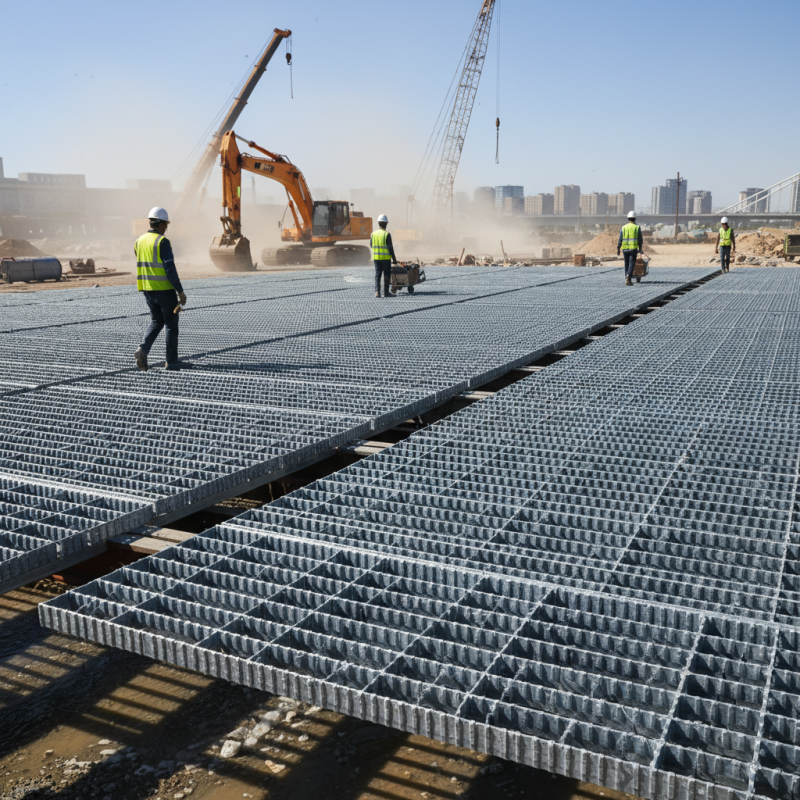
Key Advantages of Serrated Bar Grating in Construction Projects
Serrated bar grating offers numerous benefits for construction projects. Its unique design enhances safety by providing superior traction. This is crucial in high-traffic areas, reducing slip hazards. Workers feel more secure on this type of grating. The serrated edges create a grip that allows for better stability, especially in wet conditions.
Another advantage is durability. Serrated bar grating is resistant to corrosion and wear. This makes it suitable for various environments, including industrial and commercial settings. The material withstands heavy loads without warping. However, some types may require regular inspections to ensure long-term performance.
Additionally, serrated bar grating is easy to install and maintain. Its lightweight design simplifies transportation and handling. This can save time and labor costs on projects. Though it is effective, project planners should consider the environment and traffic patterns when choosing this grating. Adaptations may be necessary for optimal performance.
Top 10 Benefits of Serrated Bar Grating for Your Projects
Enhanced Safety Features of Serrated Bar Grating for Work Environments
Serrated bar grating is a game-changer for work environments. Its enhanced safety features are crucial for preventing slips and falls. The serrated surface provides excellent traction, even in wet or oily conditions. Workers can confidently navigate these areas, reducing injury risks. Additionally, the open design allows debris to fall through, maintaining cleaner surfaces.
Another benefit lies in its lightweight yet robust structure. This grating can support heavy loads while minimizing fatigue on installation crews. Workers don’t have to struggle with cumbersome materials. The ability to customize size and shape further enhances workplace safety, as it can fit specific project needs.
However, not all installations are perfect. Sometimes, the grating may not align properly, causing uneven surfaces. Regular inspections are necessary to maintain safety standards. It's important to address these issues promptly. Overall, integrating serrated bar grating can significantly enhance safety and efficiency in various work environments.
Top 10 Benefits of Serrated Bar Grating for Your Projects
| Benefit | Description | Safety Feature |
| Enhanced Traction | Serrated edges provide superior grip, reducing slip hazards. | Reduces risk of falls in wet or oily environments. |
| Durability | Resistant to various chemicals and heavy loads. | Longer lifespan enhances workplace safety. |
| Corrosion Resistance | Special coatings can prevent rust and corrosion. | Maintains safe conditions in industrial environments. |
| Easy Installation | Can be easily cut and installed in various configurations. | Reduces downtime during installation. |
| Low Maintenance | Requires minimal upkeep over its lifespan. | Consistent safety performance without frequent repairs. |
| Lightweight | Easier to handle and transport compared to solid metal grating. | Improves worker safety during setup and relocation. |
| Versatile Applications | Suitable for walkways, platforms, and drainage systems. | Adaptable to meet varying safety requirements. |
| Aesthetic Appeal | Available in different finishes and styles to complement surroundings. | Enhances visual safety in public areas. |
| Cost-Effective | Comparatively lower costs in both purchase and maintenance. | Maximizes safety value for investment. |
| Environmentally Friendly | Made from recyclable materials and reduces waste. | Promotes sustainable safety practices. |
Durability and Longevity: Why Serrated Bar Grating is a Smart Investment
Serrated bar grating stands out for its durability and longevity, making it a smart investment for various projects. Its unique design increases surface area, enhancing traction significantly. According to industry studies, serrated grating provides 20% more slip resistance compared to smooth grating. This makes it suitable for high-traffic environments where safety is paramount.
The longevity of serrated bar grating arises from its robust material composition, which withstands harsh conditions. Many reports indicate that facilities using this type of grating see a lifespan extending over 30 years. This exceeds traditional options by up to 50%. However, it's essential to consider installation challenges. Proper alignment and maintenance are critical; failure to do so could reduce its effectiveness over time.
Another aspect worth noting is its versatility in usage. Serrated bar grating can be adapted for various structural applications, yet its complex installation may require skilled labor. This added complexity raises costs, but many experts agree that the long-term savings outweigh initial expenses. Investing in serrated bar grating means prioritizing both safety and durability for any project.
Applications of Serrated Bar Grating in Various Industrial Sectors
Serrated bar grating offers unique advantages across various industrial sectors. In the manufacturing industry, it provides excellent slip resistance, making it ideal for heavy-foot traffic areas. Workers can navigate safely even in wet conditions. The design features serrated edges that enhance grip, reducing the likelihood of accidents.
In the food and beverage sector, serrated bar grating is popular for walkways and platforms. It allows spills to drain easily, preventing puddling. This design meets strict sanitation standards while ensuring safety. However, one must regularly inspect these gratings to avoid buildup of debris that might cause slipping.
The wastewater treatment industry benefits from serrated bar grating as well. The material is corrosion-resistant, making it suitable for harsh environments. Employees can maintain safety while navigating treatment plants. However, some may overlook regular maintenance. It is essential to keep the grating clean to ensure optimal performance.
Cost-Effectiveness of Using Serrated Bar Grating in Your Projects
Serrated bar grating is increasingly popular for many projects due to its cost-effectiveness. Unlike other materials, serrated grating offers a high strength-to-weight ratio. This means you can use less material while achieving robust support and safety. With fewer materials required, initial costs decrease, allowing for budget-friendly project management.
Furthermore, the maintenance cost for serrated bar grating is low. It resists corrosion and wear, reducing the need for frequent replacements. This durability can save funds over time, especially in industrial settings. Decisions about materials should always consider long-term implications.
Each project can benefit from detailed evaluation. While serrated bar grating is affordable, it may not suit every application. Analyze specific requirements for load capacity and environmental conditions to ensure it meets your needs. Balancing cost with practicality is crucial. A well-informed decision will enhance project success while keeping finances in check.
