Why Choose Residential Solar Power for Your Home Savings?
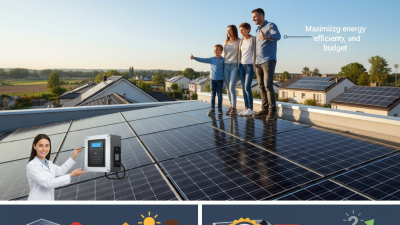
Choosing residential solar power for your home can lead to significant savings and environmental benefits. According to Dr. Emily Carter, an expert in sustainable energy solutions, “Residential solar power is not just an investment; it’s a pathway to energy independence.” This statement emphasizes the shift many homeowners are making toward renewable energy.
In recent years, the potential of residential solar power has gained recognition. Homeowners often seek ways to cut down energy bills. Solar power systems can provide long-term financial relief. However, navigating the various options can be overwhelming. Each home has unique energy needs, and choosing the right system can be challenging.
While the advantages are clear, it is essential to consider the initial investment. Some may hesitate due to upfront costs or installation concerns. Yet, over time, many families find their solar systems pay for themselves. Investing in residential solar power is a vital step toward a more sustainable future. This choice reflects not only financial acumen but a commitment to environmental stewardship.

Benefits of Residential Solar Power for Homeowners
Residential solar power offers numerous benefits for homeowners seeking to save on energy costs. One of the main advantages is reducing monthly electricity bills. By harnessing sunlight, you can generate your own electricity, decreasing reliance on the grid. Many homeowners notice a significant drop in their energy expenses right after installation. Over time, these savings can accumulate, resulting in a substantial return on investment.
When considering solar power, it’s essential to assess your roof space and sunlight exposure. Not all rooftops are ideal for solar panels. Shade from trees or nearby buildings can limit energy production. Conducting a thorough site assessment may help you avoid potential disappointments later. Understanding your specific energy needs is vital too. Sometimes, a smaller system is more suitable than a robust one.
Sometimes, homeowners overlook maintenance. Solar panels require minimal upkeep. Cleaning them a few times a year ensures they operate efficiently. Be mindful of any debris or dirt accumulation. Overall, while solar power boasts many benefits, property performance can vary significantly. Engaging with local experts can guide your decision, helping you invest wisely in your home's future energy solutions.
Why Choose Residential Solar Power for Your Home Savings? - Benefits of Residential Solar Power for Homeowners
| Benefit |
Description |
Estimated Savings ($/year) |
| Lower Electricity Bills |
Solar panels can significantly reduce your monthly electricity costs. |
$1,000 - $2,000 |
| Increased Home Value |
Homes with solar installations tend to sell at higher prices. |
$15,000 - $25,000 |
| Tax Incentives |
Federal and state tax credits can reduce the upfront cost of installation. |
Up to $7,000 |
| Low Maintenance Costs |
Solar systems require very little maintenance, lowering long-term costs. |
Minimal, typically under $200/year |
| Environmental Benefits |
Using solar energy reduces carbon footprint and reliance on fossil fuels. |
N/A |
| Energy Independence |
Generating your own power reduces dependence on grid electricity. |
N/A |
Understanding the Cost Savings of Solar Energy Installations
Residential solar power presents significant cost savings for homeowners. One of the most compelling aspects is the reduction in monthly utility bills. By harnessing solar energy, homeowners can decrease their reliance on traditional electricity sources. This shift leads to lower expenses over time, allowing families to allocate funds elsewhere.
Installation costs have decreased in recent years, making solar energy more accessible. Many regions offer incentives, such as tax credits or rebates. These can substantially offset the initial investment. Homeowners often report savings that can lead to a payback period of five to seven years. However, it’s important to consider factors like local incentives, property values, and installation specifics.
While the benefits are clear, some challenges remain. Not every home is suitable for solar panels. Roof condition, shading from trees, and orientation play crucial roles. Although research can help guide decisions, it’s vital to consult with experts for tailored advice. Understanding local regulations and obtaining the necessary permits can add time to the process. Homeowners are encouraged to weigh the pros and cons carefully before committing to solar energy.
Evaluating Long-Term Financial Advantages of Solar Panels
Residential solar power presents significant long-term financial advantages. According to the Solar Energy Industries Association, homeowners can save 20-30% on their electricity bills after installing solar panels. This reduction translates to thousands of dollars over the system's lifespan, usually around 25 years. Moreover, the price of solar installation has dropped by over 70% since 2010, making it more accessible than ever.
Many homeowners also experience an increase in property value. Research from Zillow shows homes with solar energy systems can sell for 4% more on average. However, factors like system size and local electricity rates can affect this percentage. It’s important to evaluate your home’s unique circumstances before committing to a solar solution.
Despite the positives, potential buyers should be aware of possible installation challenges. Roof orientation and shading can lower efficiency. Additionally, financing options may vary widely, impacting total savings. These aspects require careful consideration and planning to maximize the financial benefits of solar energy for your home.
Government Incentives and Rebates for Solar Energy Adoption
Government incentives play a crucial role in the adoption of residential solar power. Many homeowners are unaware of the significant financial benefits available. These incentives can dramatically reduce the initial cost of solar panel installation. Tax credits and rebates at the federal, state, and local levels can amount to thousands of dollars. This makes solar energy more accessible for countless families.
Additionally, many utility companies offer programs for solar adoption. These programs can include cash rebates or performance-based incentives. However, the availability of these incentives often varies by region. Homeowners should research their local options to maximize savings. It's essential to review eligibility criteria carefully; not meeting requirements can lead to missed opportunities.
Moreover, the paperwork and processes involved can be daunting. Some homeowners may find the application process overwhelming. Engaging with a knowledgeable contractor can help navigate these complexities. They can provide valuable insights into local, state, and federal incentives. Understanding these factors is essential for making informed decisions about solar investments.
Environmental Impact and Sustainability of Solar Power Systems
Choosing residential solar power offers significant benefits for sustainability. Solar power systems harness sunlight, a renewable energy source. This reduces reliance on fossil fuels. As a result, homes contribute less to air pollution and greenhouse gas emissions. With climate change being a pressing issue, adopting solar energy is both timely and necessary.
Furthermore, solar panels can be installed on rooftops, maximizing land use. This minimizes habitat disruption compared to traditional energy sources. However, the production and disposal of solar panels do present environmental challenges. Materials used can sometimes be harmful. As such, a focus on recycling and responsible manufacturing practices is crucial.
Investing in solar energy reflects a commitment to future generations. It encourages a sustainable lifestyle. Communities benefit from reduced electricity costs and cleaner air. Solar energy fosters resilience against climate uncertainties while making a personal impact. As homeowners explore these options, critical reflection on local environmental conditions is essential.