How to Choose Solar for My Home Effectively?
Choosing solar for my home can be a daunting task. Many homeowners feel overwhelmed by the options. The right choice leads to significant savings and environmental benefits. However, it’s crucial to consider various factors carefully.
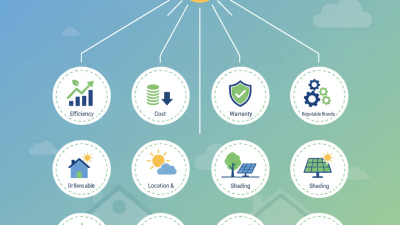
Understanding your energy needs is vital. Analyze your electricity bills and peak usage times. Think about your roof's orientation and shade. These elements impact solar efficiency. You may find discrepancies in available solar solutions. Some may not fit your specific needs well.
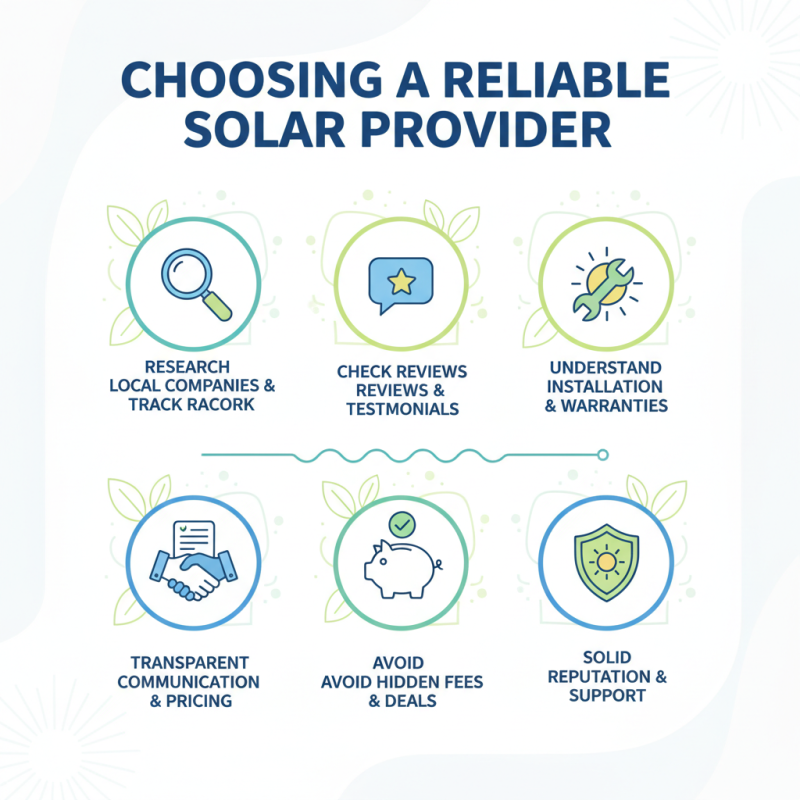
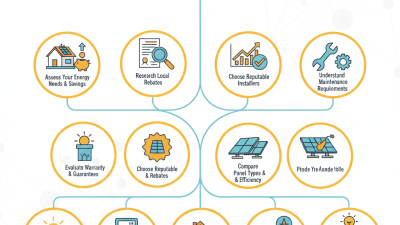
Speak with professionals but be cautious. Gather multiple quotes and consider local reviews. These insights help you avoid potential pitfalls. You want a system that complements your home and lifestyle. Keep in mind the need for ongoing maintenance. Reflect on how solar for my home aligns with your values and long-term goals.
Understanding Your Energy Needs and Consumption Patterns
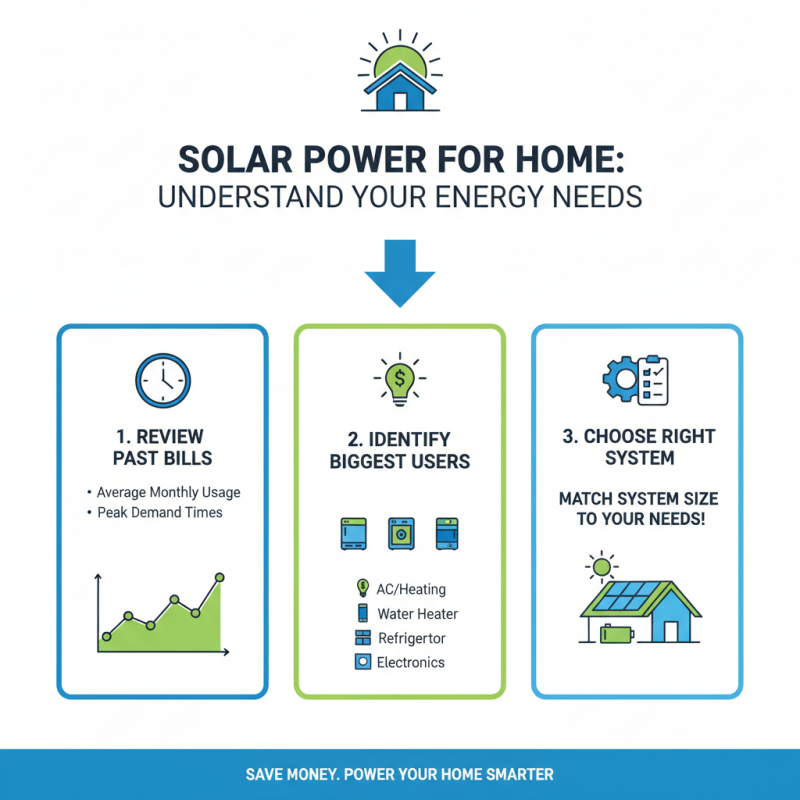
When choosing solar power for your home, understanding your energy needs is crucial. Start by examining your energy consumption patterns. Go through your monthly energy bills from the past year. This will reveal your average usage and peak demand times. Note the appliances that consume the most energy. It’s essential to understand this before selecting a solar system.
Tips: Prioritize your appliances. Identify which ones you can upgrade or use less frequently. This could lead to more effective energy use. Consider using energy-efficient devices. They consume less energy and can significantly reduce your overall needs.
Additionally, think about your lifestyle and future needs. Will you add more appliances? Do you plan to charge electric vehicles? These questions matter. They can affect your system size and investment. It's possible that your current energy needs differ from what they'll be in five years.
Tips: Monitor your energy usage monthly. This will help spot trends or changes over time. Invest in home energy management solutions. They can provide insights and help adjust habits to optimize consumption.
Evaluating Different Types of Solar Panels and Their Efficiency
Choosing solar panels for your home involves careful consideration of various types and their efficiency. There are three main types: monocrystalline, polycrystalline, and thin-film. Monocrystalline panels are known for their high efficiency, often reaching up to 22%. They occupy less space, making them ideal for homes with limited roof area. Polycrystalline panels are slightly less efficient, averaging around 15-18%. However, they are usually more affordable. Thin-film panels have the lowest efficiency, typically below 12%, but they are lightweight and flexible.
When evaluating these options, it's essential to consider your specific energy needs. According to the National Renewable Energy Laboratory, a typical American home requires about 28 to 34 kilowatt-hours per day. Therefore, if you have limited roof space, investing in monocrystalline may yield better long-term savings. However, be cautious; the initial investment can be substantial. Always assess your budget and energy goals before making a decision.
Keep in mind the local climate. Areas with less sunlight may benefit more from higher efficiency panels to optimize energy production. On the flip side, consider the longevity of the panels too. While some models may promise high efficiency, their lifespan and warranty also matter. Evaluating solar options involves balancing efficiency, cost, and your unique circumstances.
Considering Installation Costs and Available Incentives
When considering solar energy for your home, installation costs and available incentives play a crucial role. The average price of residential solar systems in the U.S. ranges from $15,000 to $25,000. This can vary based on system size, location, and installation complexity. Understanding these costs upfront helps set realistic expectations.
Many homeowners overlook the importance of incentives. Federal tax credits, which cover 26% of installation costs, make solar more accessible. Some states offer additional rebates. Research can reveal local incentives that can lower your overall investment significantly.
Tips: Always get multiple quotes. Comparing prices ensures you find the best deal. Check your state’s energy website for current incentives; they change frequently. Remember, solar installation is a long-term commitment. Think about how climate and energy prices may change in the future. Be cautious of contracts; clarify all terms before signing.
Assessing Roof Suitability and Location for Solar Installation
Assessing your roof for solar installation is crucial. First, check the size. A larger roof can hold more panels. Look for obstructions like chimneys or vents. They cast shadows, reducing efficiency. When measuring, consider roof angles. A south-facing slope is often ideal, but east and west can work too.
Next, evaluate the condition of your roof. Old shingles or signs of leaks could complicate installation. Replacing a roof after solar panels are installed can be costly. Check for durability, especially in severe weather areas. Existing damage might require repair before proceeding with solar.
Take time to measure potential shading from trees or nearby buildings. This shading can impact solar energy production. Sit back and analyze the changing light throughout the day. A sunny spot is best, but sometimes adjustments are needed. It’s necessary to weigh the pros and cons. Not every roof may be suitable for solar, but understanding its suitability leads to informed choices.
Assessing Roof Suitability for Solar Installation