Choosing the right solar energy system for your home can be daunting. With various options available, it's crucial to understand your needs. Each home is unique, and so are the energy requirements.
Many factors affect your decision. The size of your home, roof space, and energy consumption all play a role. You might feel overwhelmed by the technical jargon and specifications. It's important to take your time and research properly.
Consider consulting with experts or trusted resources. They can guide you through the process. Remember, a solar energy system is not just an investment; it's a commitment to a sustainable future. Reflecting on your needs can lead to a better choice.
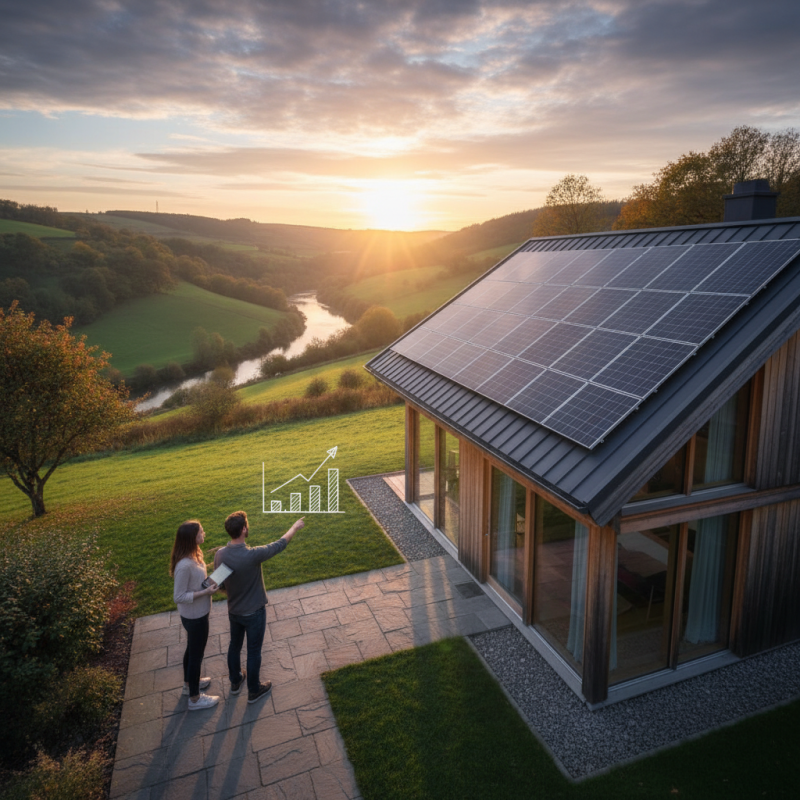
When choosing a solar energy system, several factors come into play. Start by evaluating your energy needs. Look at your electricity bills over the past year. This will give you an idea of how much energy you consume. Consider your home's size and orientation as well. A south-facing roof typically receives the most sunlight. If your roof has shading from trees or buildings, this could affect performance.
Next, explore the available solar panel technologies. There are different types, including monocrystalline and polycrystalline panels. Each has its efficiency and cost. Take the time to research installation costs too. Prices can vary widely based on your location and complexity of the installation. You might encounter hidden fees in some quotes, which can be frustrating.
Lastly, think about your financial options. Will you buy outright or lease the panels? Investigate all possible incentives and rebates. These can make a significant difference in the overall cost. You may feel overwhelmed by all these details. It's okay to seek help from professionals to guide you through the process.
| Factor | Description | Impact on Decision |
|---|---|---|
| Energy Needs | Calculate your average monthly energy consumption to determine the size of the solar system needed. | Critical for sizing the system properly. |
| Budget | Consider the upfront cost versus long-term savings on electricity bills. | Affects the type and quality of solar system you can afford. |
| Roof Type | Ensure your roof is suitable for solar panel installation, considering angle, material, and condition. | Influences installation options and costs. |
| Incentives | Research local government incentives, rebates, and tax credits available for solar systems. | Can significantly reduce overall costs. |
| Solar Technology | Consider efficiency ratings, durability, and warranties of different solar panel technologies. | Affects long-term performance and reliability. |
| Installer Reputation | Choose a licensed and reputable installer with positive reviews and a solid warranty policy. | Ensures quality of installation and service support. |
When choosing solar panels, various types stand out: monocrystalline, polycrystalline, and thin-film. Monocrystalline panels are highly efficient and take up less space. They look sleek, often in a black hue. However, they can be on the expensive side. For homeowners with ample roof space, this might not be a concern. Still, it’s worth asking if the efficiency justifies the cost.
Polycrystalline panels are more affordable and are made from multiple silicon crystals. Their efficiency is lower compared to monocrystalline, but they still perform well in most conditions. This option can be appealing if budget constraints exist. However, performance can drop slightly in high temperatures. Some users may find this frustrating in hotter climates. Thin-film panels are flexible and lightweight. They are easier to install, but they require more space for the same output. This type may not suit everyone, especially those with limited installation area. It’s essential to weigh these details carefully. Each option has its trade-offs. Your choice should align with both your energy needs and budget.
This chart compares the efficiency and cost of three different types of solar panels commonly used in residential installations: Monocrystalline, Polycrystalline, and Thin-Film.
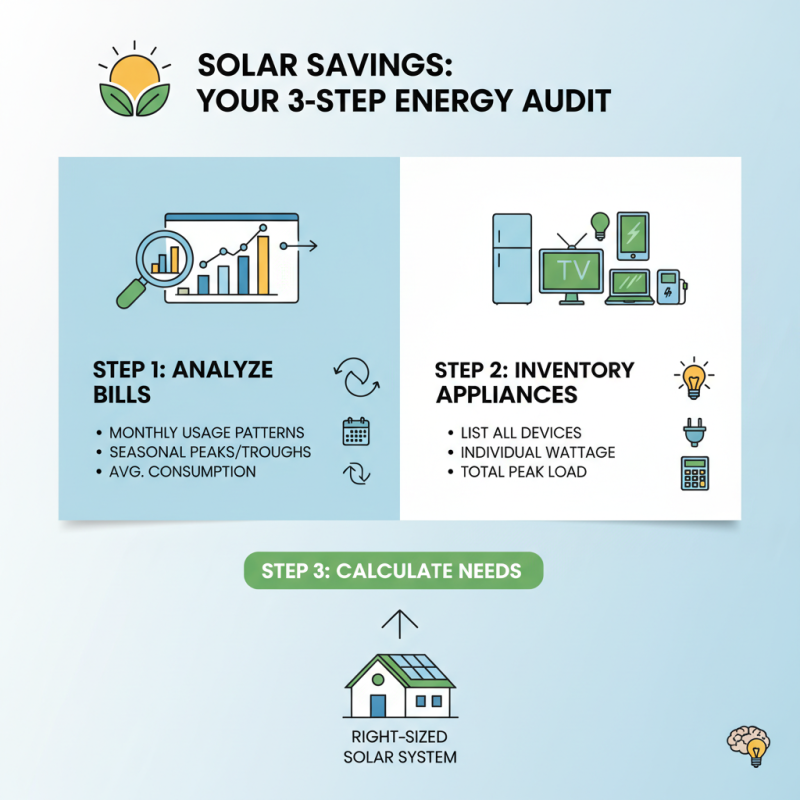
Understanding your energy consumption needs is the first step in choosing a solar energy system. Begin by analyzing your monthly electricity bills. Look for patterns in usage over different seasons. This will help you gauge your average energy consumption. Collect data on all your appliances and devices. Use this to calculate your peak load requirements.
Consider factors like the size of your home and household routines. Do you run heavy appliances during the day or at night? This can affect how much solar energy you need. It’s also worth noting that energy needs may change. As families grow or lifestyles shift, your energy requirements could increase.
Evaluate your current habits. Are there areas where you can reduce consumption? Simple changes can lead to significant savings. Reflect on your willingness to adapt. This thought process is crucial when planning your solar system. It will ensure you choose a system that meets both your current needs and future expectations.
Estimating the costs of a solar energy system is crucial for homeowners. The initial investment can be significant. Factors such as system size and installation complexity affect the overall price. In many cases, homeowners may feel overwhelmed by these numbers.
Understanding local market rates can help in making informed decisions.
Financial incentives can significantly reduce the overall cost. Many regions offer tax credits and rebates for solar installations. These incentives can lower your out-of-pocket expenses. Some homeowners may not be aware of all available options. Researching local programs is essential for maximizing savings.
Additionally, financing options are often available. Many companies offer payment plans or loans designed for solar energy systems. These can make the upfront costs more manageable. Still, potential buyers should carefully evaluate the terms. Hidden fees might lurk in the fine print, so reading everything is vital. Consider consulting with financial advisors for personalized guidance.
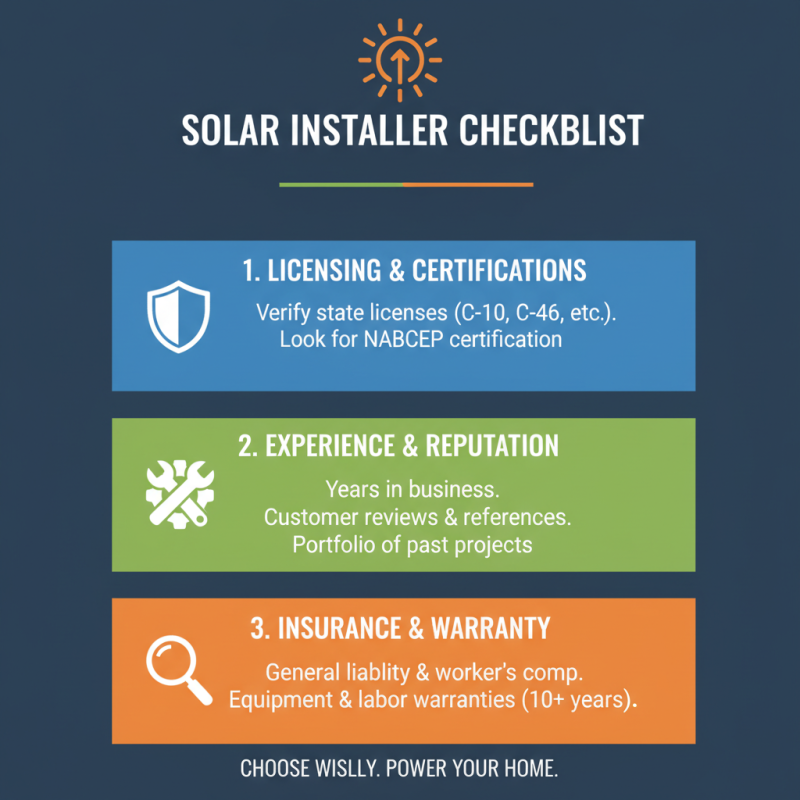
Choosing the right installer for your solar energy system can feel overwhelming. Credentials are crucial. Look for installers with proper licensing and certifications. These documents show they have met industry standards. A qualified installer is more likely to do a good job, but not all claims can be verified easily.
Reviews can provide valuable insights. Check online platforms for customer experiences. Positive reviews are great, but also seek out any negative feedback. Understand how the installer resolved issues. This can reveal their commitment to customer service. However, be careful; sometimes reviews can be biased or manipulated.
Warranties are another essential aspect to think about. A good installer should offer warranties on both equipment and labor. This protection can save you money in the long run. However, read the fine print carefully. Some warranties have strict conditions that might limit your coverage. Ask questions if anything seems unclear. It's better to know what you’re getting into before making a decision.