How to Choose the Best Solar Power for My Home in 2026?
Choosing the right solar power for my home in 2026 will be a critical decision. According to the Solar Energy Industries Association (SEIA), the demand for residential solar systems has increased by 167% since 2020. This trend reflects a growing awareness of renewable energy's benefits and its role in combating climate change. Industry expert Dr. Emily Carter emphasizes, "Homeowners must assess their energy needs and available resources when selecting solar power systems."
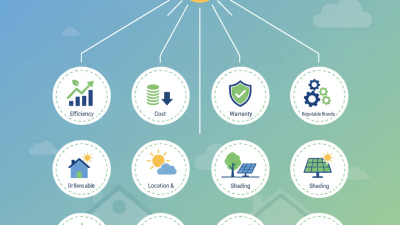
As we approach 2026, it's vital to consider various factors. These include energy costs, installation quality, and local regulations. Reports indicate that solar panel prices have dropped by about 70% in the last decade. However, not all systems offer the same efficiency. Some homeowners might find premium options more suitable, despite higher initial costs. Understanding your home’s energy consumption is essential.
Homeowners sometimes overlook these crucial aspects. Investing in solar power for my home is not just about installation costs. It’s about long-term savings and sustainability. Reflecting on these details can guide a better decision. Ultimately, this investment can lead to significant financial and environmental benefits for years to come.
Understanding Solar Power Options Available for Homes in 2026
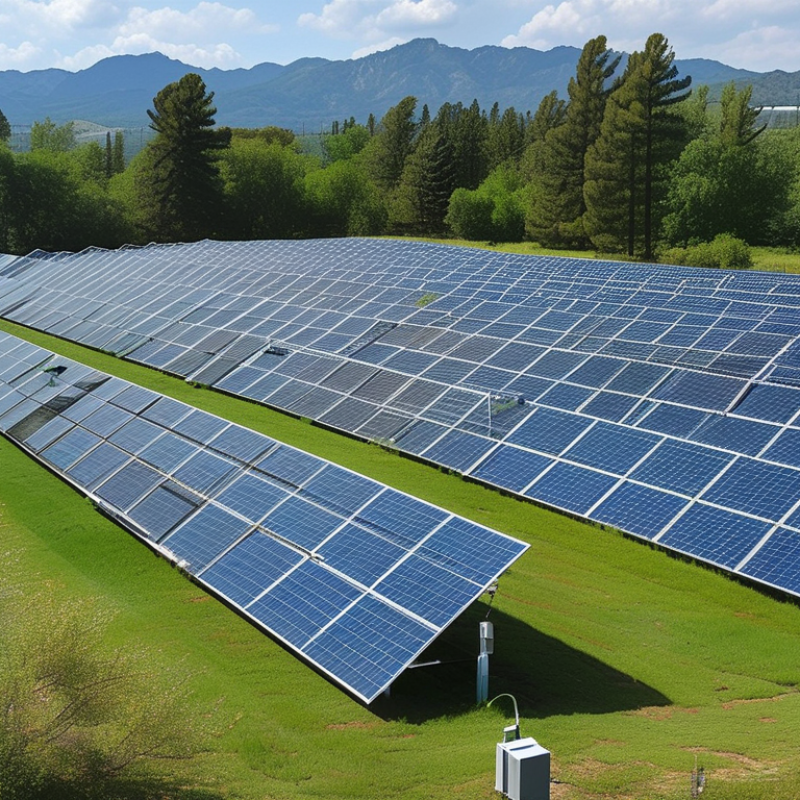
In 2026, choosing solar power for your home involves understanding various options available. Start by assessing your energy needs. Consider how much energy your household consumes monthly. This data helps in determining the size of the solar system. You can also look into energy efficiency improvements. For example, installing LED lighting can lower energy usage before you even go solar.
Next, explore different types of solar panels. Monocrystalline panels are highly efficient but might be more costly. Polycrystalline panels are budget-friendly but less efficient. Thin-film panels are lightweight and can be versatile, yet they may offer lower efficiency. Each type has its pros and cons, so don’t rush the decision. Conduct thorough research on how they perform in your specific area.
You should also think about energy storage options. Battery systems allow you to store excess energy for night use. This can be a valuable asset during power outages. However, buying a battery system adds to your initial investment. Weigh the upfront costs against potential long-term savings. Consult with energy experts to find a solution that fits your unique situation. Keep your options open, and remember that solar technology continues to evolve rapidly.
Solar Power Options for Homes in 2026
Evaluating Your Home's Energy Needs and Consumption Patterns
Evaluating your home’s energy needs is essential when considering solar power. Start by analyzing your monthly electricity bills. According to the U.S. Energy Information Administration (EIA), the average American household uses about 877 kWh per month. Understanding your consumption patterns will help you determine the right solar system size.
Consider how energy is used during peak hours. Homes often consume the most power in the evening. Adjusting your routine could lead to significant savings. For example, running major appliances in the daytime when solar generation peaks can optimize efficiency.
Tips: Look for energy-efficient appliances. They reduce overall consumption, allowing for a smaller solar installation. Monitor changes in your lifestyle that may affect energy use. As you consider solar options, reflect on your current needs and future changes. Think about electric vehicle charging or home expansions that might increase demand. Your energy patterns will significantly influence your solar investment.
Comparing Different Types of Solar Panels and Technologies
When choosing solar panels for your home in 2026, it’s crucial to compare different types and technologies.
Monocrystalline panels are known for their efficiency and space-saving design. They perform better in low-light conditions.
Polycrystalline panels, on the other hand, are more affordable but usually less efficient. They might require more space for installation.
Tips for homeowners: Look for panels with a good warranty. A 25-year warranty is often a sign of quality.
Don’t ignore the importance of installation. A poorly installed panel can lead to decreased performance. Solar technology is continuously evolving, so stay informed.
Another option is thin-film panels. These are lightweight and flexible, making them ideal for unique roofs. However, their efficiency can be lower than traditional panels.
Research and understand your roof's specifications. This will help you make a better decision.
Choosing solar is a significant investment, so consider all aspects carefully.
Assessing Local Regulations and Incentives for Solar Installation
When considering solar power for your home, local regulations play a critical role. Understanding these laws can save you time and money. Each state or municipality has unique requirements. Some may require permits before installation. Others have specific guidelines for safety standards. Make sure to check these requirements early in your planning.
In addition to regulations, look into available incentives. Many areas offer financial benefits for solar installations. Tax credits or rebates may directly reduce your costs. These incentives can significantly offset your investment. However, the rules change frequently. What might be valid today could expire tomorrow. Staying informed is essential for maximizing your benefits.
Every homeowner's situation is different. Take the time to assess your specific needs. Evaluate your roof's size and angle for solar panels. This could affect energy efficiency. While incentives can be attractive, local laws can complicate the installation process. Consider consulting with a local expert. They can help navigate the complexities and ensure compliance.
Finding a Reputable Solar Installer and Evaluating Their Offers
Finding a reputable solar installer can be challenging. Not all companies are created equal. Start by researching local installers. Read reviews and feedback from previous clients. Look for certifications and training. This shows their commitment to quality work.
When evaluating offers, focus on three main aspects: price, warranties, and services. A low price may seem attractive; however, it could compromise quality. Assess what is included in the offer. Are installation, permits, and maintenance costs covered? Pay attention to warranty details. A strong warranty can save you money in the long run.
Always ask for references. A trustworthy installer should readily provide them. Contact past clients to understand their experiences. Did the installer communicate well? Were there any hidden costs? Evaluating these details helps ensure you make an informed decision. The best results come from thorough research and careful consideration. Choose wisely to avoid future regrets.