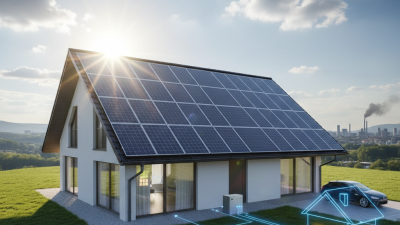
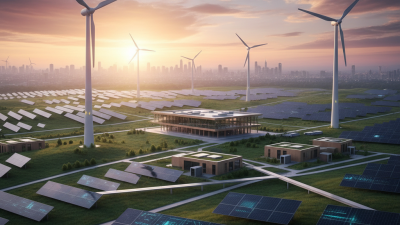
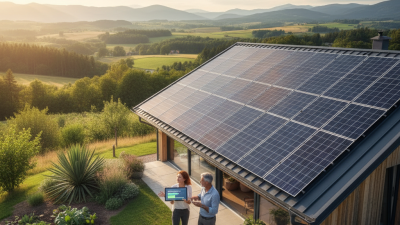
Solar panels for business have become a focal point in the pursuit of sustainable energy solutions. According to a report by the International Renewable Energy Agency, businesses can save up to 40% on energy costs by integrating solar technology. This trend highlights the increasing importance of renewable energy sources for companies aiming to reduce overheads and boost profitability.
The market for solar panels is growing rapidly, with forecasts suggesting a compound annual growth rate of 20% from 2022 to 2027. Many businesses are drawn to solar for its long-term benefits, despite initial installation expenses. However, choosing the right system can be challenging. Factors like local regulations, available incentives, and the specific energy needs of a business must be evaluated carefully. Decisions made hastily can lead to missed opportunities or excessive costs.
Consideration of quality, efficiency, and supplier reliability is crucial. Not all solar panels for business are created equal. Specific models may not meet the unique demands of every organization. As the solar industry evolves, maintaining awareness of new developments can help businesses make informed choices while embracing renewable energy's potential.
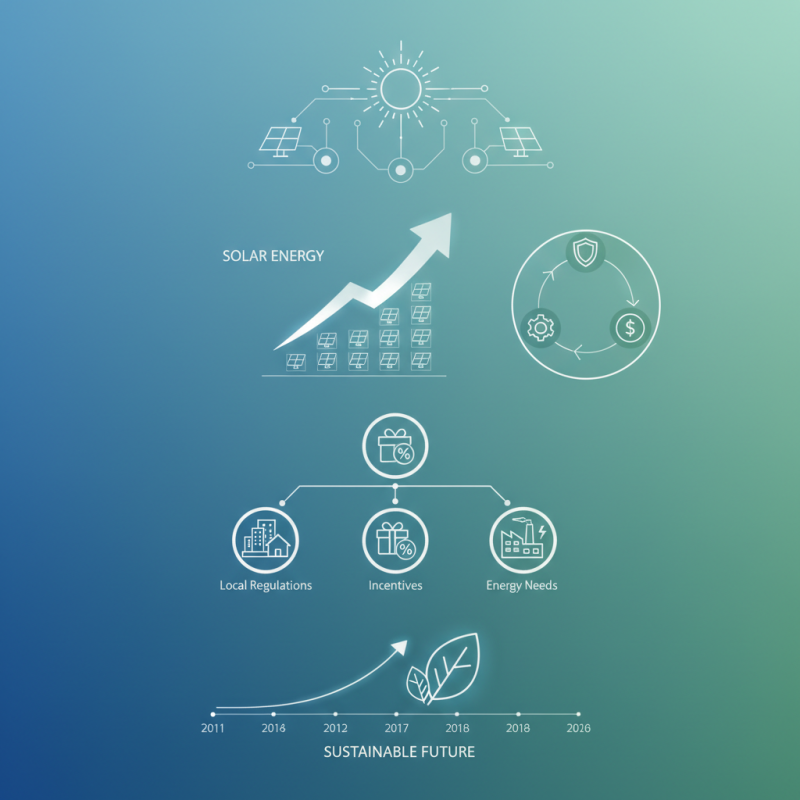
When businesses consider solar panels in 2026, several factors play a crucial role. One key aspect is efficiency. Companies need panels that convert sunlight effectively, maximizing energy output. Higher efficiency means more savings in the long run. However, it’s important to note that high efficiency often comes at a higher initial cost. This creates a dilemma for many businesses.
Cost is another significant factor. Many enterprises operate on tight budgets. Investing in solar energy must align with financial goals. Therefore, businesses might need to weigh short-term costs against long-term savings. Some panels may seem affordable but could have lower durability, leading to frequent replacements. This choice can complicate decisions.
The installation process is also vital. A complicated setup can lead to unexpected delays. Businesses might face disruptions during installation. This can affect daily operations, causing potential losses. Additionally, ensuring proper maintenance is essential for long-term performance. Organizations may overlook this, leading to inefficiencies later.
Considering these factors carefully can help businesses make informed decisions about solar panel installations. Balancing initial investment, efficiency, and ease of installation is no easy task. Thoughtful evaluation is necessary to achieve the best outcomes.
When selecting solar panels for commercial use, efficiency ratings are a key factor. These ratings indicate how much sunlight can be converted into usable energy. Higher efficiency means more power generated, which is critical for businesses aiming to reduce their energy costs. A panel with a 20% efficiency rating will produce significantly more energy than one rated at 15% under the same conditions.
However, choosing high-efficiency panels isn't always straightforward. It’s essential to consider your specific energy needs and the available roof space. In some cases, lower efficiency panels can be a viable option if budget constraints exist. They might still provide sufficient energy for your operations, but it’s crucial to perform a cost-benefit analysis. The upfront savings could be offset by higher electricity bills in the long run, leading to regrets later.
Moreover, the efficiency can vary based on environmental factors. For instance, shaded areas may not perform as expected. This variability means businesses should reflect on their settings and how these might impact energy production. Analyzing both your site’s conditions and energy usage will provide deeper insights into choosing the right panels. Ultimately, it's an exercise in weighing immediate costs against long-term benefits.
When investing in solar panels for business,
warranty and longevity are crucial factors.
A solid warranty protects your investment. Typically, warranties range from 10 to 25 years.
This coverage helps ensure that your system maintains efficiency over time. Businesses often overlook this.
They might focus solely on initial costs, neglecting long-term performance.
Longevity affects the overall return on your investment. Panels with longer lifespans reduce replacement frequency.
This is a tangible benefit that can save money. If panels degrade quickly, businesses risk decreased energy production.
Additionally, understanding efficiency ratings is important. Not all panels perform equally over their lifespan.
Reflecting on your solar choice is key. Consider not just the price, but the potential savings.
Researching warranty terms can seem tedious, but it’s worth it. You may encounter misleading claims.
Many vendors promise high efficiency but lack reliable support. Always question these assurances.
Investing time in understanding warranties will protect your business in the long run.
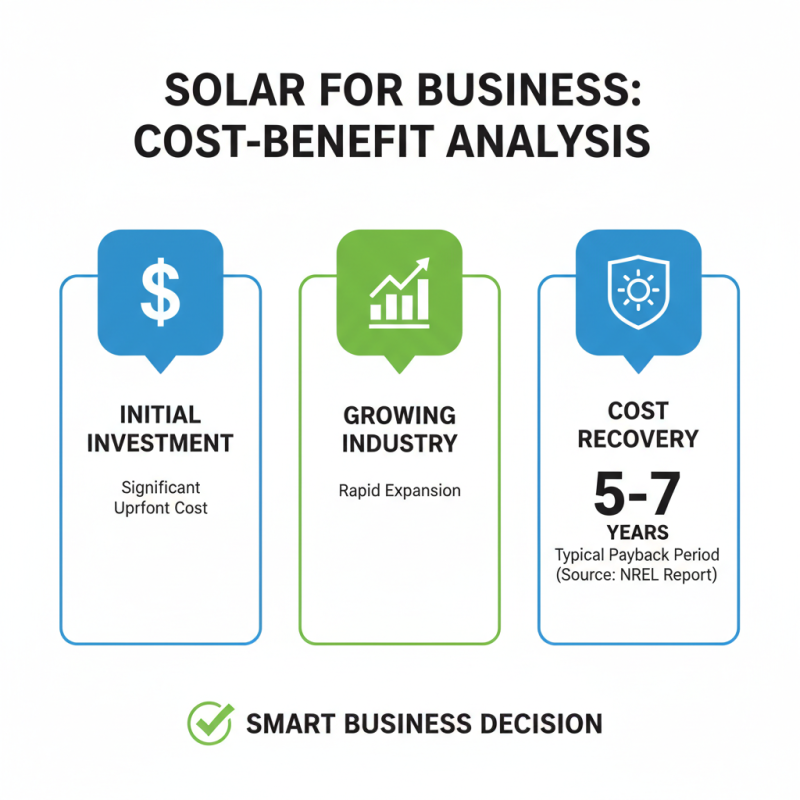
Evaluating the cost-benefit analysis of solar installation for businesses is crucial. The solar industry continues to grow rapidly. For companies, the initial investment can be significant. A report from the National Renewable Energy Laboratory (NREL) found that businesses typically recover their solar installation costs within five to seven years. This is a key consideration for decision-makers.
Savings on energy bills can be substantial. Businesses can save up to 75% on electricity costs. Many regions also offer tax incentives and rebates. The Solar Energy Industries Association (SEIA) reports that these financial benefits can improve the overall return on investment by 10-15%. It is essential for businesses to calculate potential savings carefully. Not all installations yield the same benefits.
However, there are risks to consider. The solar market can be volatile. Not every business will see immediate benefits. Some may struggle with the installation process or maintenance issues. An analysis by Bloomberg New Energy Finance indicates that operational costs can vary widely. Understanding these variables is key. Businesses must weigh their unique circumstances against the potential benefits.
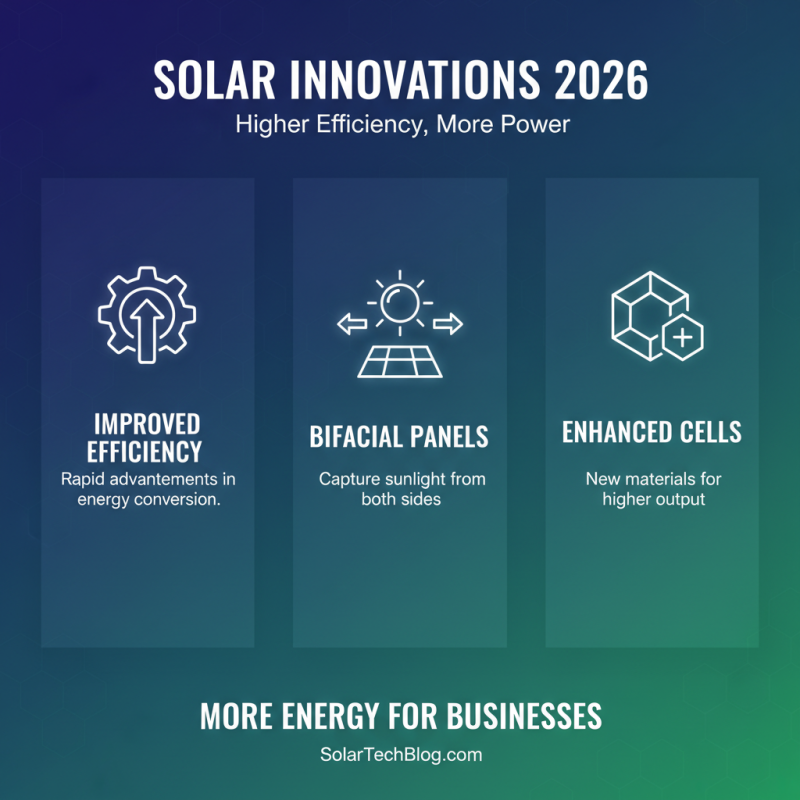
As we approach 2026, the solar industry is witnessing significant technological advancements. Efficiency is improving rapidly. New materials are being developed. These innovations include bifacial panels and enhanced photovoltaic cells. Such technologies capture more sunlight. They promise higher energy outputs for businesses.
Cost reduction remains a key trend. The production of solar panels is becoming cheaper. This directly benefits business owners looking to invest. However, the initial investment can still be daunting. Not all companies can easily afford these improvements. There is pressure to balance cost and quality, leading to mixed experiences in the market.
Energy storage solutions are also evolving. Businesses now have better options to store excess energy. Batteries are getting more efficient. Yet, many organizations still struggle with installation logistics. The interplay between energy generation and storage remains complex. Adapting to these changes requires careful planning and adaptability from business leaders.