Top 10 Benefits of Solar Energy Systems for Home Use in China?
Homeowners in China are increasingly turning to solar energy systems for home use. These systems not only promise reduced electricity bills but also contribute to a sustainable environment. According to a recent report by the National Energy Administration of China, solar power capacity is expected to reach 800 GW by 2025. This surge reflects a national push towards greener energy solutions.
Dr. Li Wei, a leading expert in renewable energy, states, "The solar energy system for home not only empowers families but also protects our planet." This sentiment resonates widely as more households recognize the multifaceted benefits of solar energy. Households utilizing solar power can save an average of 30% on energy costs. Additionally, solar energy systems encourage energy independence, allowing users to generate their own power with minimal environmental impact.
Despite advantages, challenges exist. Initial installation costs can be daunting for some, and not every location is ideal for solar energy. Homeowners must carefully evaluate their options. As the technology matures, these barriers may diminish. Embracing solar systems marks a pivotal shift in energy consumption, and China is leading the charge.
Advantages of Solar Energy for Residential Use in China
Solar energy is gaining traction in residential areas of China. The National Energy Administration reported that solar power generation capacity reached over over 300 GW in 2022. This growth reflects the increasing accessibility and benefit of solar energy systems for homeowners.
One significant advantage is cost savings. Homeowners can reduce electricity bills by up to 80% with solar installations. A study from the China Photovoltaic Industry Association stated that residential solar systems recoup their investment within 5 to 7 years. This makes solar not only a sustainable choice but also a financially savvy one.
Moreover, environmental impact is crucial. Homes using solar energy contribute to reduced carbon emissions. According to the World Bank, shifting to solar could cut carbon output by 1 billion tons annually by 2030 in China. While these benefits are clear, challenges remain. Energy storage and weather dependence can affect efficiency. Homeowners must weigh these factors against potential savings and environmental benefits.
Cost Savings Through Reduced Electricity Bills with Solar Systems
The adoption of solar energy systems in homes across China is increasingly popular. One of the most significant advantages is the cost savings through reduced electricity bills. Households using solar power can experience a noticeable decrease in monthly expenses. This can be especially beneficial for families in areas with high energy costs.
By harnessing sunlight, homeowners generate their own electricity, lowering their reliance on the grid. The average solar system can cut bills by 30% or more. While the initial investment in solar technology can be high, the long-term savings often outweigh the costs. As the technology matures, installation prices have begun to drop. Still, each family must evaluate their unique situation and energy needs.
Some challenges remain. Not every home has ideal conditions for solar panels. Factors like roof orientation and shading must be considered. Moreover, the efficiency of solar systems can fluctuate based on location and weather patterns. These factors can influence how much a household saves. Nonetheless, the overall trend shows that many families gain significant financial benefits from making the switch to solar energy.
Environmental Benefits of Switching to Solar Energy at Home
Switching to solar energy at home offers significant environmental benefits. In China, the use of solar panels can dramatically reduce carbon emissions. According to the National Energy Administration, solar energy has the potential to cut down 1.5 billion tons of carbon dioxide annually by 2030. This shift plays a critical role in combating climate change.
Furthermore, solar energy reduces reliance on fossil fuels. A report from the International Energy Agency highlights that solar energy could supply up to 35% of China's energy needs by 2050. Utilizing solar panels can promote cleaner air. Less pollution means improved public health, reducing respiratory diseases caused by air contaminants.
However, the transition is not without challenges. The initial costs for solar installation can be high. Homeowners must weigh these costs against long-term savings. Additionally, there can be logistic issues like limited sunlight hours in certain regions. These factors create a complex landscape for adopting solar energy at home.
Energy Independence and Security Offered by Home Solar Installations
Home solar installations are revolutionizing energy independence and security in China. As electricity demand rises, reliance on the grid grows riskier. Solar energy allows homeowners to mitigate these risks. According to a recent report by the National Renewable Energy Laboratory (NREL), homes with solar systems can reduce reliance on grid power by nearly 70%. This shift not only provides savings but also enhances energy security.
Implementing solar systems shields residents from fluctuating energy prices. The cost of solar technology has decreased by over 80% in the past decade. Many homeowners find that their investment pays off within five to seven years. However, the initial installation can still be a barrier. Those considering solar should assess available incentives and financing options in their area.
Tip: Research local government incentives. Many regions offer tax breaks or rebates for solar installations, which can significantly lower upfront costs.
The environmental impact is also notable. Solar energy reduces reliance on fossil fuels, promoting cleaner air. Nonetheless, production of solar panels requires energy and resources. It's essential to weigh the entire lifecycle of the product. As the industry evolves, sustainable practices are becoming more prominent.
Tip: Consider solar's full lifecycle. Look for manufacturers that prioritize eco-friendly materials and production methods. This approach not only benefits the environment but also enhances long-term sustainability.
Top 10 Benefits of Solar Energy Systems for Home Use in China
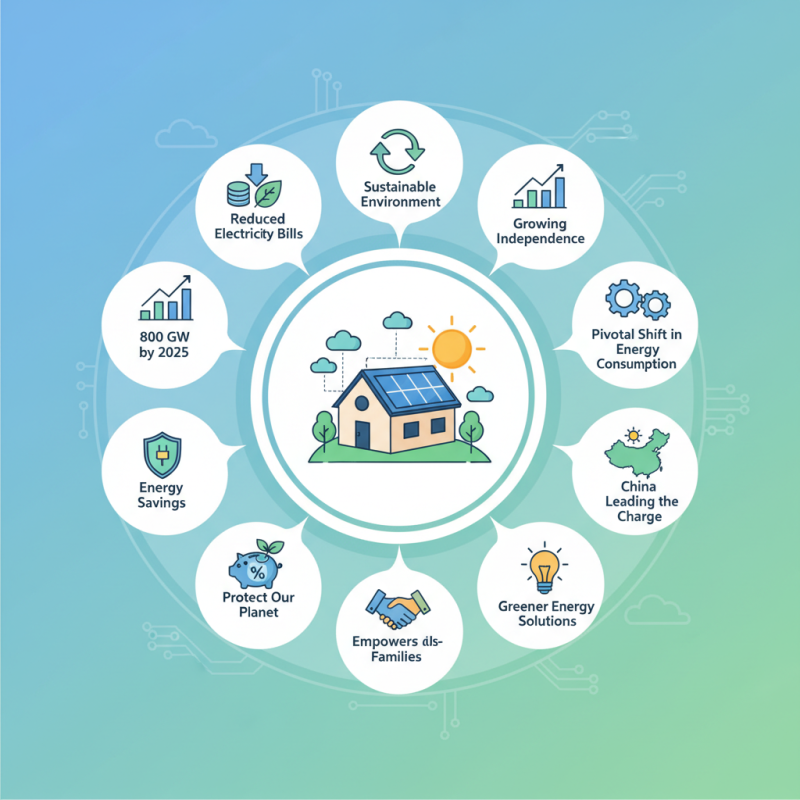
This chart illustrates the top 10 benefits of solar energy systems for home use in China, rated on a scale from 1 to 10 based on various factors. The benefits include energy independence, cost savings, and environmental impact, among others.
Government Incentives and Support for Solar Energy Adoption in China
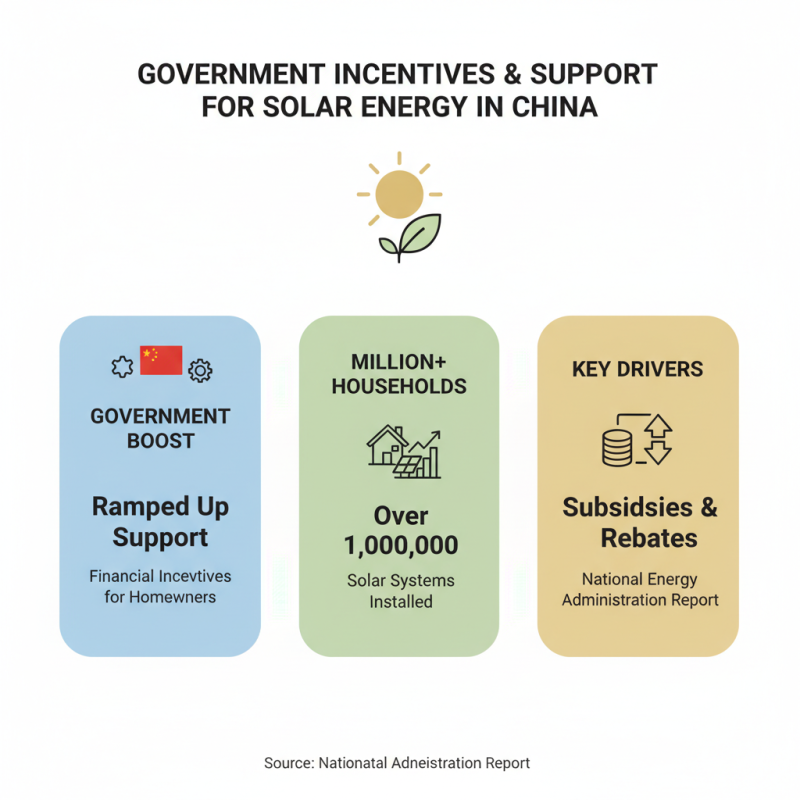
The Chinese government has ramped up support for solar energy adoption. For homeowners, this means significant financial incentives. A report by the National Energy Administration reveals that over 1 million households have installed solar systems, driven by subsidies and rebates.
Incentives can cover up to 20% of installation costs, reducing the financial burden. Many provinces offer additional benefits, such as tax breaks or low-interest loans. These measures align with China's ambitious goal of generating 20% of energy from renewable sources by 2025. However, challenges remain. The inconsistent application of policies across regions can create confusion.
Furthermore, the initial investment for solar systems can deter some homeowners. Although the long-term savings are considerable, many may hesitate. Awareness programs are essential to educate consumers on both financial incentives and environmental benefits. Understanding these factors can lead to more widespread adoption and a shift toward sustainability in energy consumption.