Top 10 Benefits of Solar Energy Panels for Home Use?
As homeowners seek sustainable solutions, the debate over solar energy panels for home use intensifies. John Smith, a renowned expert in renewable energy systems, emphasizes, “Solar energy panels for home use are a smart investment for both the planet and your wallet.” His insights reflect a growing trend of homeowners adopting solar technology.
The benefits of solar energy panels for home range from financial savings to environmental impact. Many homeowners report reduced electricity bills after installation. Moreover, using solar energy decreases reliance on fossil fuels, promoting a greener lifestyle. Yet, some still hesitate, grappling with upfront costs or installation decisions. It's essential to weigh these benefits against potential challenges.
Choosing solar energy panels for home requires careful consideration. Each household has unique energy needs. Local regulations and incentives can also influence decisions. Therefore, engagement with local solar experts can provide tailored advice. By reflecting on the pros and cons, homeowners can make informed choices that align with their values and financial goals.
Advantages of Solar Energy Panels for Residential Applications
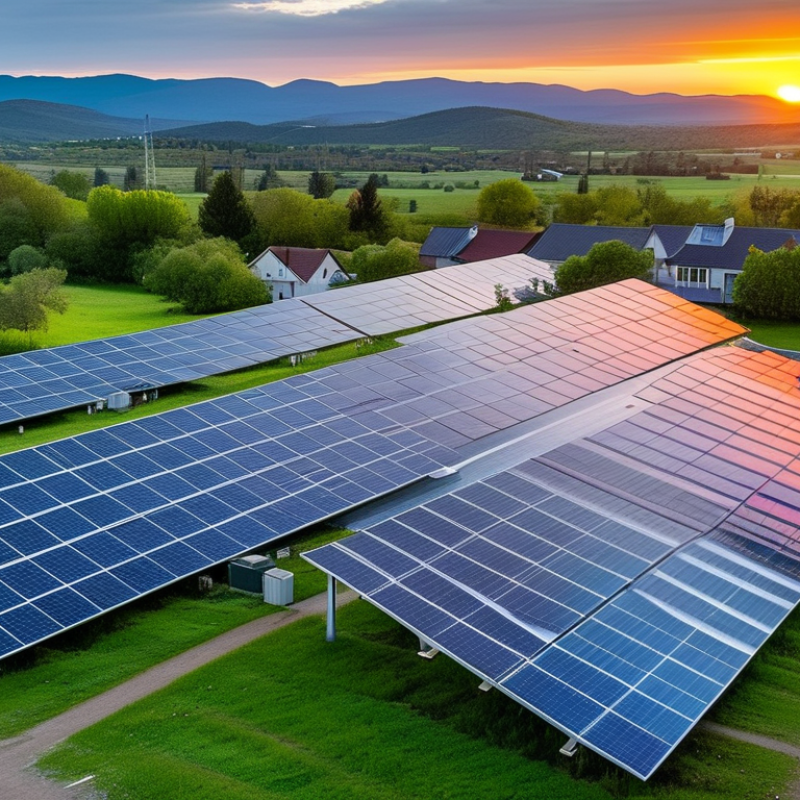
Solar energy panels offer numerous advantages for residential applications. They can significantly reduce electricity bills. Homeowners often notice a decrease in monthly energy costs after installation. Moreover, solar panels contribute to a greener planet. They harness energy from the sun, minimizing reliance on fossil fuels. This shift leads to reduced greenhouse gas emissions, promoting environmental health.
Another benefit is energy independence. With solar panels, homes can produce their own electricity. This reduces vulnerability to energy price fluctuations. In cases of outages, solar systems provide an alternative power source, enhancing reliability. However, not all homes are suited for solar installations. Factors like roof orientation and shading can limit effectiveness. Homeowners need to consider these aspects carefully.
Maintenance for solar panels is relatively low. Regular cleaning and occasional inspections keep systems efficient. Despite their durability, occasional repairs might be needed. Investing in solar energy requires initial capital, which can be daunting. Grants and incentives may offset these costs, but accessing them can be complex. Consider all these factors when evaluating solar panels for your home.
Cost Savings: How Solar Panels Reduce Energy Bills
Solar energy panels offer significant cost savings for homeowners. By utilizing the sun’s energy, families can reduce their monthly energy bills. Studies show that homeowners can save between $10,000 to $30,000 over 20 years by installing solar panels. This savings comes from lower reliance on traditional energy sources.
Energy costs continue to rise. Many homeowners face increased rates from utility companies. Solar panels shield families from these hikes. In fact, switching to solar can lead to a fixed energy cost, allowing for better budget management. The U.S. Department of Energy reports that residential solar installations can increase a home’s value by about 4%, further enhancing the financial benefits.
Tips: Consider local incentives when planning your solar investment. Many states offer rebates that can offset installation costs. Research available financing options to find a solution that fits your budget. Don’t forget to evaluate your roof’s condition. A well-maintained roof will ensure optimal performance of your solar installation.
Top 10 Benefits of Solar Energy Panels for Home Use: Cost Savings - How Solar Panels Reduce Energy Bills
| Benefit |
Description |
Average Savings Per Year ($) |
ROI (Return on Investment) |
| Reduced Energy Bills |
Solar panels generate electricity, reducing the amount of energy purchased from the grid. |
$1,200 |
20% |
| Tax Credits |
Homeowners can benefit from federal tax credits for solar installations. |
$1,000 |
15% |
| Increased Home Value |
Homes with solar installations often sell for more than those without. |
$15,000 |
25% |
| Low Maintenance Costs |
Solar panels require minimal maintenance and have long life spans. |
Varies |
N/A |
| Energy Independence |
Solar panels reduce reliance on traditional energy sources. |
N/A |
N/A |
| Environmental Benefits |
Produces clean, renewable energy, reducing carbon footprint. |
N/A |
N/A |
| Net Metering |
Homeowners can sell excess energy back to the grid. |
Varies |
N/A |
| Job Creation |
Increases jobs in the renewable energy sector. |
N/A |
N/A |
| Grid Security |
Decentralized energy generation can bolster grid resilience. |
N/A |
N/A |
| Future Resilience |
Investing in solar helps prepare for future energy needs and costs. |
N/A |
N/A |
Environmental Impact: Benefits of Solar Energy for the Planet
Solar energy has profound benefits for the planet. It significantly reduces carbon emissions. This helps combat climate change effectively. By utilizing solar panels, homes contribute to cleaner air. Reduced air pollution leads to better health for everyone. Transitioning to solar energy promotes sustainability and protects ecosystems.
Tips: Consider the orientation of your roof. South-facing roofs receive the most sunlight. This improves energy efficiency and maximizes benefits. Regularly clean the solar panels for optimal performance. Dust and debris can hinder energy capture.
The adoption of solar energy also reduces reliance on fossil fuels. This shift minimizes environmental degradation associated with oil and gas extraction. However, the manufacturing of solar panels can have environmental costs. Ensuring sustainable materials and practices is crucial for long-term benefits. Each solar installation represents a step toward a greener future. The transition is not without challenges, but the potential rewards are immense.
Energy Independence: Gain Control Over Your Energy Sources
Energy independence is a crucial aspect of modern living. When homeowners install solar energy panels, they significantly reduce their reliance on traditional power sources. This shift not only empowers individuals, but it also stabilizes energy costs in the long run. Solar panels allow for personal control over energy consumption. Imagine generating electricity from sunlight, free from fluctuating utility rates. This autonomy fosters financial security and sustainability.
Consider these tips when transitioning to solar energy. First, assess your home’s solar potential. Evaluate roof space and sunlight exposure. Not all homes are ideal for solar; knowing your limitations helps in decision-making. Next, explore local incentives. Many regions offer rebates or tax benefits for solar installation. Take advantage of these to maximize savings. Finally, ensure regular maintenance. While solar systems are low maintenance, occasional cleanings and inspections ensure optimum performance.
Adopting solar energy can be a transformative experience, but it's essential to remain realistic. Initial costs might seem daunting. There may be challenges during installation. Some areas face stricter regulations. These factors require careful consideration. However, the long-term benefits often outweigh the initial hurdles. Venturing into renewable energy, amidst its imperfections, can lead toward a greener, self-sufficient future.
Top 10 Benefits of Solar Energy Panels for Home Use
Increase Property Value: How Solar Panels Enhance Home Value
Installing solar panels can significantly enhance your home's value. Homebuyers increasingly seek
energy-efficient options. Solar energy represents a commitment to sustainability. Homes with solar
panels often sell for more than those without.
Solar panels reduce monthly energy bills. Over time, these savings add up. Many potential buyers view
this as a strong financial incentive. The initial investment in solar can seem high, but the long-term
benefits are noteworthy. Homes equipped with solar energy systems often attract buyers faster.
A home's energy efficiency rating can also improve with solar panels. This rating plays a role in
appraisals. Buyers favor homes that align with their eco-conscious lifestyle. However, not all
installations guarantee a return on investment. Careful planning and quality installation matter.
Consulting with experts can help navigate these decisions. Investing in solar panels can reflect
positively on long-term value, but outcomes can vary.
Conclusion
Solar energy panels for home use present a multitude of benefits that enhance both residential living and environmental sustainability. One significant advantage is the cost savings associated with reduced energy bills, as solar panels harness free energy from the sun, leading to lower electricity expenses over time. Additionally, they contribute positively to the environment by decreasing reliance on fossil fuels, thus aiding in the reduction of carbon emissions.
Moreover, investing in solar energy panels for home use fosters energy independence, allowing homeowners to control their energy sources and reduce vulnerability to rising energy costs. This transition not only enhances property value but also qualifies homeowners for various government incentives designed to promote renewable energy adoption. Overall, the advantages of solar energy panels encompass financial savings, environmental benefits, and long-term value enhancement for homeowners.