Are 2026 Best Solar Panels Worth It for Homeowners?
As homeowners consider renewable energy options, the question looms: are solar panels worth it? With advancements in technology, 2026 is becoming a pivotal year for solar energy. John Smith, an expert in solar panel technology, states, “Investing in solar can provide substantial savings over time.” Yet, homeowners often find the decision challenging.
Many factors influence whether solar panels are worth it. Initial costs can be high, which makes some hesitant. Others may not have adequate sunlight or roof space. These issues raise valid concerns. For instance, residents in shaded areas might not see significant savings. Investing in solar panels is not a one-size-fits-all approach.
Additionally, potential benefits must be weighed against personal circumstances. Tax incentives and increasing energy prices can tip the balance. However, the complexities surrounding installation and maintenance can't be ignored. Homeowners should conduct thorough research and consider their specific needs. Ultimately, the choice of adopting solar energy varies from person to person, requiring deeper reflection.
Overview of the 2026 Best Solar Panels in the Market
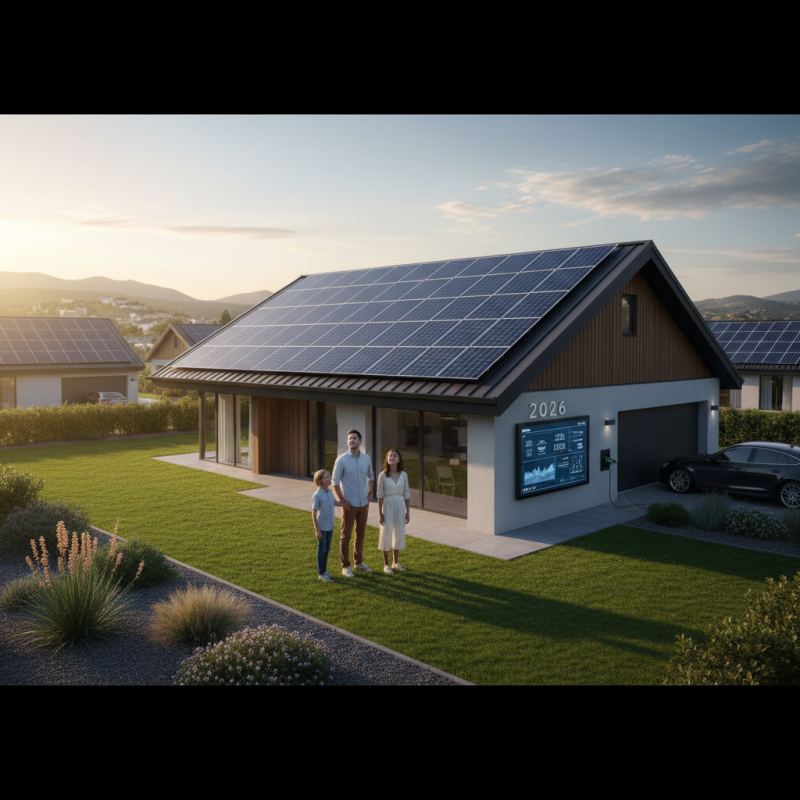
The solar panel market in 2026 offers exciting choices for homeowners. When selecting solar panels, consider efficiency, durability, and warranty. Higher efficiency panels convert more sunlight into energy. Look for models with robust construction. This ensures long-lasting performance despite weather changes.
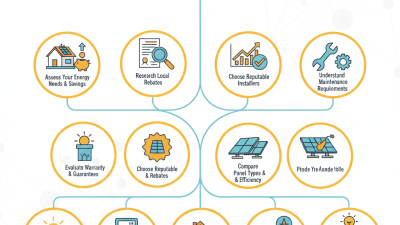
Tips: Assess your energy needs. Calculate how much electricity you consume. This will help you determine the right size and number of panels.
Some panels may promise high efficiency but require specific conditions. Reflect on your local climate. Poor performance in cloudy areas may not justify the investment.
Choosing the right solar panel also involves understanding the installation. Compare installation costs. Installation quality impacts performance. Quality workmanship prevents issues. Remember, not all solar panels work for all homes. Tailor your choice to your unique needs.
Are 2026 Best Solar Panels Worth It for Homeowners?
| Panel Type |
Efficiency (%) |
Average Cost per Watt ($) |
Warranty (Years) |
Temperature Coefficient (%/°C) |
| Monocrystalline |
22.0 |
$2.50 |
25 |
-0.37 |
| Polycrystalline |
18.5 |
$2.20 |
25 |
-0.40 |
| Bifacial |
21.5 |
$2.80 |
30 |
-0.35 |
| Thin-Film |
15.0 |
$1.50 |
10 |
-0.20 |
| PERC |
21.0 |
$2.60 |
25 |
-0.39 |
Key Factors Influencing Solar Panel Efficiency and Performance
When considering solar panels, efficiency and performance are critical. Homeowners should understand how these factors influence energy production. The type of solar cells used plays a significant role.
Monocrystalline panels often deliver better efficiency compared to others. However, these may come at a higher cost. Homeowners should weigh these factors carefully.
Weather and geographic location can impact performance as well. In sunny areas, solar panels can generate more energy. Yet, during cloudy days, their output decreases. Homeowners in regions with frequent rain or snow may face challenges.
Understanding local climate conditions is vital for making informed decisions.
Installation angle and direction also matter. A well-angled panel can capture more sunlight throughout the day.
Some may not consider this aspect, leading to poor performance. Regular maintenance is essential too. Dust or debris can block sunlight and affect energy generation.
This commitment to upkeep is often overlooked but crucial for maximizing efficiency.
Cost-Benefit Analysis of Installing Solar Panels for Homeowners
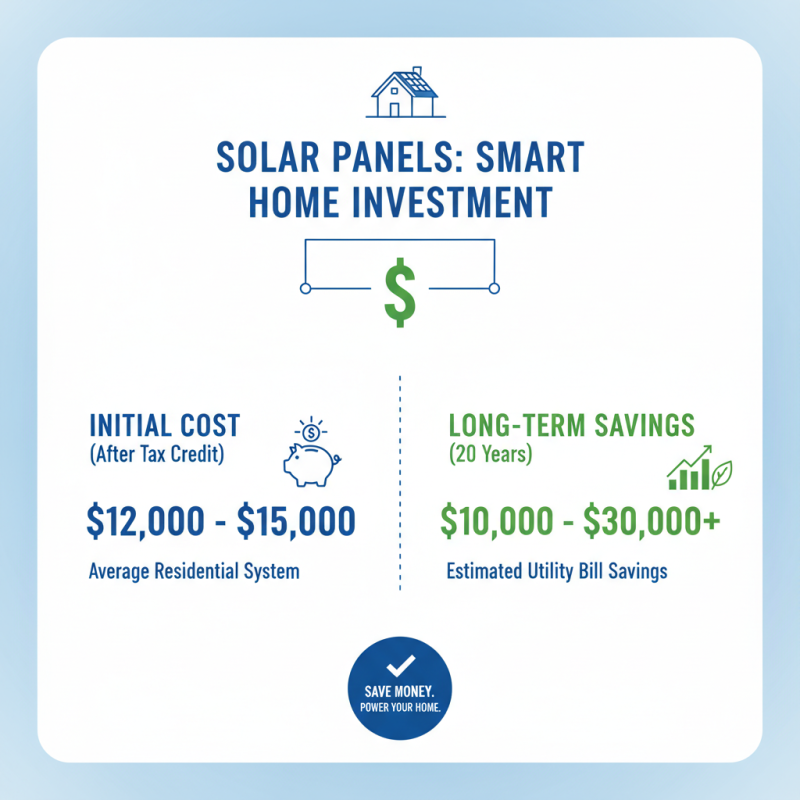
Installing solar panels can be a significant financial decision for homeowners. A recent report indicates that the average cost of residential solar systems is around $12,000 to $15,000, after federal tax credits. This investment can lead to substantial savings on utility bills over time. Homeowners can save an estimated $10,000 to $30,000 over 20 years, depending on their location and energy consumption.
However, several factors can impact the cost-benefit analysis. For instance, solar panel efficiency varies greatly. Some panels have efficiency ratings around 22%, while others are lower. A homeowner must consider whether the upfront investment aligns with their long-term energy goals. Additionally, market conditions and local incentives can fluctuate. In some cases, the payback period could extend beyond 10 years, raising questions about the immediate value.
Environmental benefits are an essential part of the equation. By reducing reliance on fossil fuels, homeowners contribute to lower greenhouse gas emissions. Yet, the long-term impact on property value remains debated. Studies suggest that homes with solar energy systems can appreciate more. Yet, not every region sees a significant increase. Homeowners should weigh both tangible savings and intangible benefits carefully.
Long-Term Savings and Incentives for Solar Panel Adoption
As homeowners consider solar panel adoption, long-term savings become a focal point. Investing in solar panels often leads to reduced electricity bills. Many homeowners report savings that grow over time. With energy prices continuously fluctuating, the fixed costs of solar energy can provide stability in budgeting.
Incentives also play a critical role in adopting solar technology. Various programs exist to support installation costs, making solar more accessible. Tax credits and rebates can significantly lower out-of-pocket expenses. However, eligibility varies widely and so does the application process. Homeowners often find this part overwhelming and confusing.
While solar panels offer numerous benefits, some homeowners may hesitate. Installation can be costly upfront, and maintenance is required. Moreover, some systems might not perform as expected. Evaluating energy needs and site conditions can be complex. Thoughtful consideration is essential before making a decision.
Environmental Impact of Switching to Solar Energy Solutions
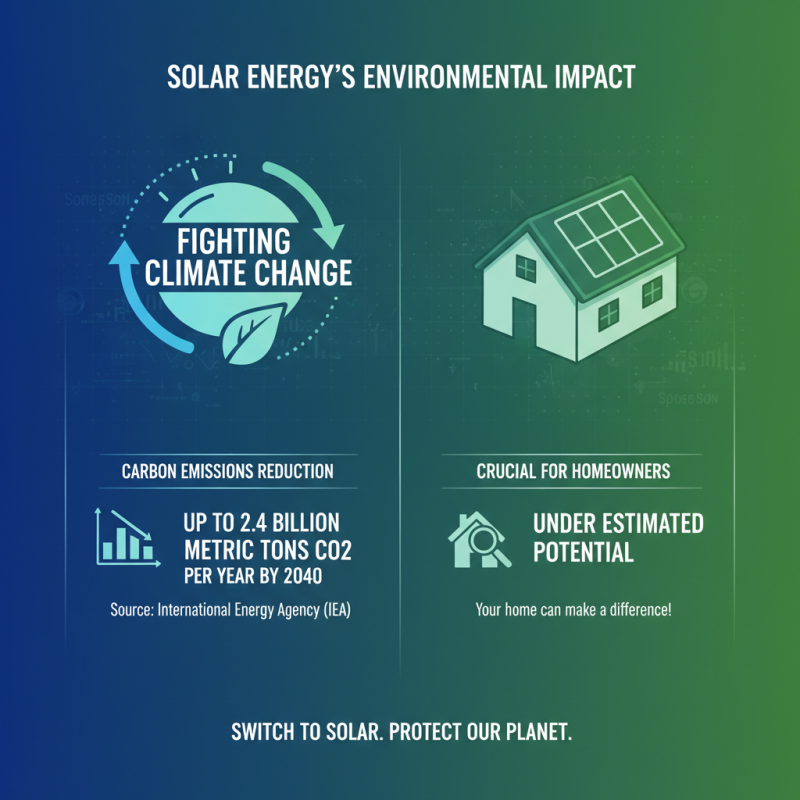
Switching to solar energy has a profound environmental impact. According to the International Energy Agency (IEA), solar power can reduce carbon dioxide emissions by up to 2.4 billion metric tons per year by 2040. This reduction is crucial as cumulative emissions drive climate change. Homeowners often underestimate this potential when considering solar panels.
Beyond carbon emissions, solar energy plays a role in water conservation. Traditional energy sources consume vast amounts of water for cooling and extraction, while solar systems need little to no water. A report from the National Renewable Energy Laboratory highlights that solar technologies use 90% less water than coal plants. This statistic underscores a critical point: as water scarcity becomes a pressing issue, solar energy emerges as a viable solution.
However, transitioning to solar isn't perfect. The production of solar panels can generate hazardous waste. Some experts estimate that 18% of the energy used in making a solar panel comes from fossil fuels. Addressing this issue is vital for true sustainability. Homeowners need to weigh these factors carefully as they consider making the switch. The environmental benefits are clear, yet they coexist with challenges that require ongoing reflection.